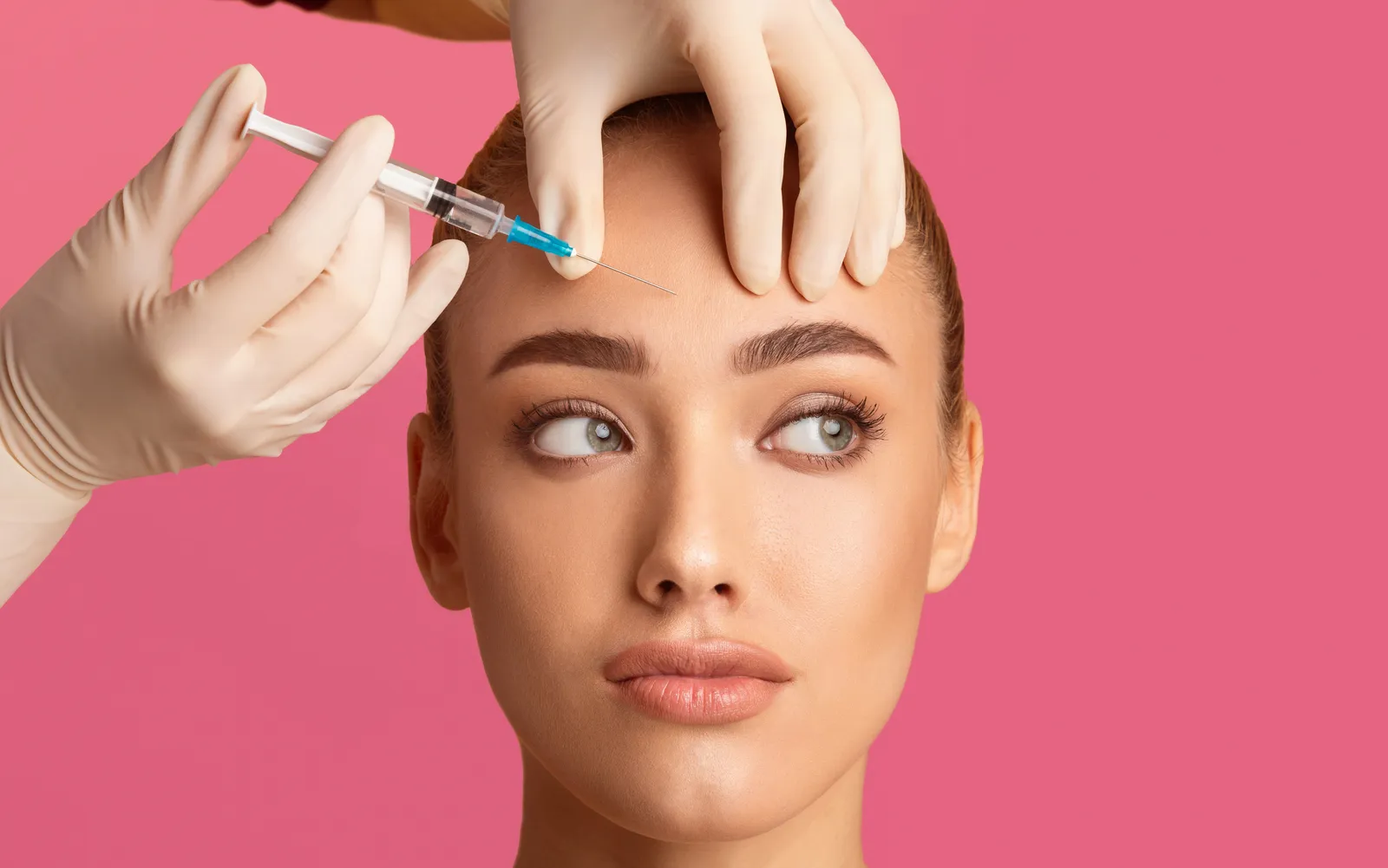

If I could sit down with myself before I entered aesthetic medicine, I would have a long list of things I wish someone had told me.
I would talk about the procedures, of course. I would talk about anatomy, technique, patient assessment, complications, and the importance of continuing education.
But I would also talk about everything that happens around the procedure.
Because aesthetic medicine isn't simply about learning how to inject. It's about learning how to think clinically, communicate effectively, build trust, manage expectations, understand business, and eventually lead a team and a practice.
And those lessons aren't always taught in the treatment room.
Here are some of the things I wish I had known from the beginning.
Being a Great Healthcare Provider Doesn't Automatically Make You a Great Aesthetic Provider
When you enter aesthetics from another area of healthcare, you bring an enormous amount of knowledge with you.
You understand patient care. You understand anatomy. You understand assessment. You understand safety and clinical responsibility.
But aesthetic medicine requires you to develop a different set of skills.
You're not simply treating a disease or managing a medical diagnosis. You're helping someone make decisions about their appearance, often based on highly personal emotions and expectations.
That requires a different kind of consultation.
You have to learn to see the face as a whole rather than simply focusing on the area the patient points to. You have to understand balance, proportion, anatomy, aging, and what is realistically achievable.
And most importantly, you have to learn to ask:
"What is this patient really asking me to help them accomplish?"
That's a skill that takes time.
Technique Is Only One Piece of the Puzzle
Early in your aesthetic career, it's easy to become focused on the mechanics.
Where do I place the needle?
How much product do I use?
What dilution should I use?
What technique should I use?
Those questions matter. But they aren't the whole picture.
The best aesthetic providers don't simply know how to perform a procedure. They understand why they're choosing that procedure for that particular patient.
They can assess the face, identify priorities, understand limitations, anticipate outcomes, and create a treatment plan that makes sense.
In other words, clinical judgment matters just as much as technical skill.
The goal isn't to become someone who can perform more procedures.
The goal is to become someone who can make better decisions.
You Will Learn Just as Much From Saying "No"
One of the most important lessons in aesthetic medicine is learning when not to treat.
A patient may request a procedure that you don't believe is appropriate.
They may want more product than you think is necessary.
They may have expectations that aren't realistic.
They may be pursuing treatment because of pressure from social media, a partner, or an unrealistic perception of what can be changed.
As a new provider, saying no can feel uncomfortable.
But protecting your patient's best interests has to come before making the sale.
Aesthetic medicine requires clinical courage.
Sometimes the most professional answer is:
"I don't think that's the best treatment for you."
Learning to say that confidently is a milestone in your development as an aesthetic provider.
Your Consultation Skills Will Become One of Your Most Valuable Assets
I wish I had understood earlier that the consultation isn't simply the conversation before the procedure.
The consultation is the procedure's foundation.
A great consultation allows you to understand the patient's goals, establish expectations, identify concerns, assess candidacy, and develop trust.
It also allows the patient to understand you.
Do you listen?
Do you understand what they're asking?
Are you honest about what is possible?
Do you make recommendations based on their needs—or based on what you want to sell?
Patients can tell the difference.
Technical skills may get a patient through the door.
Trust is what builds a relationship.
You Don't Become Confident by Waiting to Feel Confident
This one is particularly important for new providers.
You may assume that experienced injectors simply feel confident all the time.
They don't.
Confidence comes from education, repetition, mentorship, reflection, and experience.
You learn.
You practice.
You make mistakes.
You analyze what happened.
You improve.
Then you do it again.
There is a difference between confidence and competence, and both have to be developed responsibly.
You shouldn't pretend to know what you don't know.
Instead, become comfortable saying:
"I don't know. Let me find out."
That mindset will serve you throughout your entire career.
Your Education Shouldn't End When Your Training Course Does
One of the biggest mistakes I see in aesthetic medicine is treating an initial training course as the finish line.
It's actually the starting line.
Aesthetic medicine changes quickly. Techniques evolve. Products change. New technologies emerge. Our understanding of anatomy and facial aging continues to develop.
But continuing education isn't just about learning the newest technique.
It's about becoming a better critical thinker.
Don't simply ask, "What is the newest procedure?"
Ask:
-
What is the evidence?
-
Who is the right patient?
-
What are the risks?
-
What are the alternatives?
-
What problem are we actually trying to solve?
The best providers remain students throughout their careers.
Patients Aren't Buying a Procedure—They're Buying Trust
Aesthetic medicine is often described as a beauty business.
But at its best, it's a relationship business.
Patients are trusting you with something deeply personal: their face, their appearance, their confidence, and often their vulnerability.
That trust isn't created by having the newest device or the fanciest office.
It's created through consistency.
Do what you say you're going to do.
Set realistic expectations.
Communicate clearly.
Follow up.
Own your mistakes.
Put the patient's interests first.
Those behaviors create loyalty far more effectively than a discount ever will.
Learning the Business Is Not Optional
This is perhaps the lesson I wish more healthcare professionals heard early in their careers.
Clinical excellence alone does not create a successful aesthetic practice.
You also need to understand the business.
You need to know your costs.
You need to understand pricing.
You need to track revenue and profitability.
You need to understand marketing.
You need to know when to hire.
You need to understand staffing, operations, patient retention, and customer experience.
And if you eventually become a practice owner, you need to understand financial statements and key performance indicators.
You don't have to become an accountant.
But you do need to become business literate.
Because if you don't understand the numbers, you can't effectively lead the business.
Don't Confuse Revenue With Success
Aesthetic medicine can look incredibly successful from the outside.
The beautiful office.
The busy schedule.
The social media following.
The long patient waitlist.
But none of those things necessarily mean a practice is profitable—or sustainable.
Revenue is not profit.
And profit is not the only measure of a healthy business.
You also need to consider patient retention, employee turnover, provider productivity, expenses, patient satisfaction, your own quality of life, and whether the business can function without you.
A practice that requires you to work every evening and weekend just to keep the doors open isn't necessarily a successful practice.
Sustainability matters.
Eventually, You Have to Decide Whether You Want a Job or a Business
There is nothing wrong with being an excellent aesthetic provider who wants to focus primarily on patient care.
But if you want to own and grow a practice, your role will eventually change.
You will move from:
Provider → Business Owner → Leader
And each transition requires a different skill set.
The things that made you successful as a provider won't necessarily make you successful as a leader.
You may eventually have to stop asking:
"How can I do everything myself?"
And start asking:
"How can I build a team and system that allows us to do this well?"
That transition can be challenging—but it's also one of the most rewarding parts of building an aesthetic practice.
Your Reputation Is One of Your Most Valuable Assets
In aesthetic medicine, your reputation follows you.
Patients talk.
Providers talk.
Employees talk.
Your reputation is built through hundreds of small interactions—not one viral social media post.
Be the provider who is knowledgeable.
Be the provider who is ethical.
Be the provider who doesn't overpromise.
Be the provider who keeps learning.
Be the provider who treats people with respect.
Over time, those things become your brand.
And that's a much stronger foundation than trying to manufacture a personal brand online.
You Don't Have to Chase Every Trend
New products, devices, techniques, and treatment concepts will constantly appear.
Some will be valuable.
Some will be temporary trends.
Some will be heavily marketed before we have enough evidence to understand their true value.
You don't need to offer everything.
You need to understand why you're offering what you offer.
Build your practice around sound clinical principles rather than whatever happens to be trending on social media this month.
Your patients don't need you to be the newest provider.
They need you to be a thoughtful, skilled, trustworthy one.
Find Mentors Who Will Tell You the Truth
Aesthetic medicine can sometimes feel competitive.
That's exactly why mentorship matters.
Find people who are willing to tell you when you're doing something well—and when you're not.
Find mentors who will discuss complications, difficult patients, business mistakes, staffing challenges, and the realities of practice ownership.
Don't only look for people who show you their successes.
Look for people who are willing to share their failures.
Those conversations can save you years of learning things the hard way.
Your Career Can Become Much Bigger Than Injecting
Perhaps the most exciting thing I wish I had understood earlier is that aesthetic medicine can become much more than performing procedures.
You can become an educator.
A mentor.
A practice owner.
A medical director.
A business leader.
A speaker.
A trainer.
A consultant.
You can build a team.
You can create an organization.
You can teach the next generation of aesthetic providers.
Your first step into aesthetics doesn't determine where your career ends.
It simply opens the door.
The Biggest Lesson
If I could give one piece of advice to someone entering aesthetic medicine today, it would be this:
Don't focus only on becoming a better injector. Focus on becoming a better clinician, communicator, businessperson, and leader.
Learn the procedures—but learn the reasoning behind them.
Learn how to treat patients—but also learn how to build relationships with them.
Learn how to generate revenue—but also learn how to create a sustainable, profitable business.
And if you eventually lead a team, remember that your greatest impact may no longer come from what you do with your own hands.
It may come from what you teach, what you build, and the people you help become better providers.
That's the opportunity in aesthetic medicine.
And that's the part I wish someone had explained to me from the very beginning.