


Botox is one of the most popular nonsurgical cosmetic treatments in the United States. But before you choose an injector, you may wonder:
Can a nurse inject Botox without a doctor?
The answer depends on the nurse's license, the state where the treatment is performed, and—perhaps most importantly—the medical oversight and delegation structure of the practice.
For patients in Texas, understanding the difference between administering Botox as a delegated medical treatment and independently practicing medicine is especially important.
At Dr. Ellen Turner's practice, we believe patients should know exactly who is treating them, what that person's credentials are, and who is responsible for their medical care.
Let's take a closer look.
Is Botox a Medical Treatment?
Yes.
Although Botox is frequently associated with beauty and aesthetics, it is a prescription medication and its injection is a medical procedure.
A Botox treatment should begin with an appropriate medical evaluation. A qualified medical professional needs to consider your medical history, medications, anatomy, treatment goals, contraindications, and the potential risks and benefits before treatment is performed.
In Texas, the Texas Medical Board considers nonsurgical medical cosmetic procedures—including the injection of medications or substances for cosmetic purposes—to be medical acts that may be delegated by a physician to qualified individuals under applicable rules.
That distinction is important.
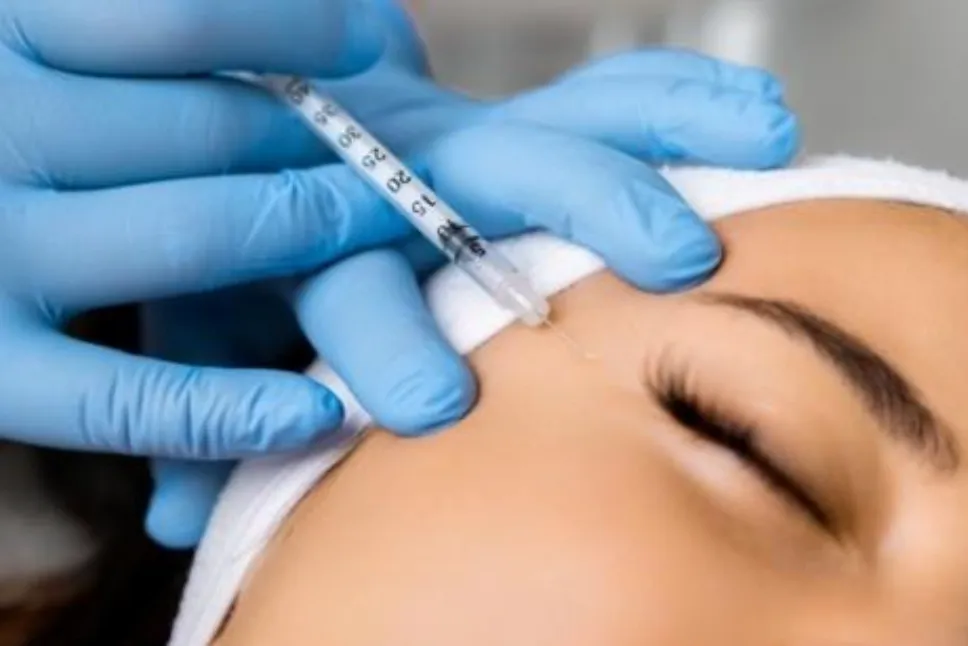
You may see a nurse holding the syringe and performing the injection, but that does not necessarily mean the nurse is practicing independently of a physician.
Can an RN Inject Botox in Texas?
An appropriately trained registered nurse may be able to administer Botox in Texas when it is properly ordered and delegated and the nurse meets the applicable scope-of-practice and competency requirements.
The Texas Board of Nursing explains that an RN's scope includes administering medication or treatment as ordered by an appropriate licensed practitioner. At the same time, an RN's scope does not include independently diagnosing medical conditions or prescribing therapeutic or corrective measures.
The Texas Board of Nursing specifically addresses cosmetic procedures performed by RNs. According to the Board, an RN must individually determine whether a particular cosmetic procedure falls within his or her scope based on education, knowledge, training, competency, and experience. An appropriate order must also be in place, and appropriate medical supervision must be available.
So the answer isn't simply:
"Yes, a nurse can inject Botox."
The better answer is:
A qualified nurse may administer Botox as a properly delegated medical act, but that does not give the nurse independent authority to practice medicine or prescribe Botox.
What About Nurse Practitioners?
A nurse practitioner is different from a registered nurse.
A nurse practitioner is an Advanced Practice Registered Nurse (APRN) who has additional education and licensure. However, Texas APRNs do not have unrestricted independent practice authority.
The Texas Board of Nursing specifically states that medical aspects of cosmetic care—including diagnosing patients for appropriate use of cosmetic injections and ordering medications such as Botox—require physician delegation in Texas.
The APRN's individual role, population focus, education, training, and competency also matter.
For patients, this means that simply seeing the words "nurse practitioner" does not tell you everything you need to know about the medical structure behind your treatment.
What Should You Look for in a Botox Injector?
Credentials matter—but training, experience, judgment, and medical oversight matter, too.
Botox isn't simply about knowing where to place a needle.
An experienced injector needs a thorough understanding of facial anatomy, muscle movement, dosing, symmetry, patient selection, contraindications, and potential complications.
The Texas Board of Nursing requires nurses performing delegated medical acts to have appropriate education and supervised practice, demonstrate competency, and be able to respond appropriately to complications. The Board also emphasizes that continuing education or on-the-job training cannot simply transform an RN into a practitioner with a different level of licensure or authority.
That's why we encourage patients to look beyond a title or a social media following.
Ask about experience. Ask about training. Ask about medical oversight.
Questions to Ask Before Your Botox Appointment
Whether you're considering Botox for the first time or you're an experienced patient, don't be afraid to ask questions.
Before treatment, you should feel comfortable asking:
- Who will evaluate me before my Botox treatment?
- Who will actually perform my injections?
- What is the injector's license and credential?
- Who prescribes or orders my Botox?
- Who is the physician responsible for the practice?
- What type of training and experience does the injector have?
- What happens if I experience a complication?
- Is my medical history and treatment documented in a medical record?
- Is a qualified medical professional available if a problem occurs?
A reputable medical aesthetics practice should be happy to answer these questions.
In fact, transparency is a good sign.

What About Med Spas?
Medical spas have become increasingly common, and many provide excellent care. But the term "med spa" alone doesn't tell you how a practice is structured or who is responsible for your medical treatment.
Texas regulators have specifically addressed concerns about medical spas and physician delegation. The Texas Medical Board has emphasized that physicians remain responsible for complying with the rules governing their licenses and that medical procedures such as Botox require appropriate physician involvement, delegation, and supervision.
As a patient, don't hesitate to ask:
"Who is the medical director?"
And then ask:
"What role does that physician play in my care?"
Those are reasonable questions.
The Bottom Line: Your Injector Matters
When you're choosing someone to inject Botox, don't make your decision based solely on price or convenience.
Your face deserves more than that.
Look for a practice that combines:
- Appropriate medical credentials
- Extensive injection experience
- Strong knowledge of facial anatomy
- Individualized treatment planning
- Appropriate physician oversight
- A commitment to patient safety
- A willingness to answer your questions
At Dr. Ellen Turner's practice, we believe aesthetic medicine should always begin with good medicine.
Because Botox isn't just about looking younger.
It's about understanding your face, listening to what you want, and creating results that look natural and appropriate for you.
When it comes to your face, experience matters. Medical oversight matters. And who injects you matters.
Frequently Asked Questions
Can an RN inject Botox in Texas?
Yes, an appropriately trained RN may administer Botox as a properly ordered and delegated medical act when the procedure falls within the nurse's individual scope and competency and the applicable supervision and support requirements are met. An RN does not independently prescribe Botox or diagnose patients.
Does a doctor have to inject Botox?
No. Texas allows certain nonsurgical medical cosmetic procedures to be delegated by a physician to qualified individuals under applicable requirements. However, appropriate physician delegation and supervision remain important.
Does a doctor have to be physically present during a Botox injection?
Not necessarily in every circumstance. Texas rules establish requirements concerning physician supervision and availability, which can depend on the type of delegated medical act and the practice setting.
Can a nurse practitioner prescribe Botox in Texas?
Texas APRNs require physician delegation for the medical aspects of cosmetic care, including diagnosing for appropriate use of cosmetic injections and ordering Botox.
How do I choose a safe Botox injector?
Ask about the injector's credentials, training, experience, physician oversight, and how the practice handles complications. You should also feel comfortable asking who evaluates you and who is responsible for your medical care.
Is Botox considered a medical procedure?
Yes. Botox is a prescription medication, and its injection for cosmetic purposes is considered a medical procedure. Texas specifically regulates nonsurgical medical cosmetic procedures and their delegation.
This article is intended for general educational purposes and is not legal or medical advice. Scope-of-practice requirements vary by state and may change. Texas patients and healthcare professionals should consult the Texas Medical Board, Texas Board of Nursing, and applicable laws and regulations for specific questions.
To learn more about injection of Botox or fillers if you are an aesthetic provider, or would like to learn to become an aesthetic provider, subscribe to the library of teaching videos at DrEllenTurner.com by clicking here.