
A successful aesthetic treatment begins long before the needle ever touches the skin.
For aesthetic injectors, the consultation is one of the most important parts of the patient journey. It is where you learn what the patient wants to achieve, assess whether those expectations are realistic, identify relevant medical considerations, and develop a treatment plan that prioritizes safety and appropriate outcomes.
Technical injection skills are essential, but they are only one part of becoming an excellent aesthetic practitioner. The ability to listen, assess, educate, and communicate effectively can be just as important.
Whether you are new to aesthetic medicine or an experienced injector looking to refine your approach, mastering your consultation skills can help you provide more thoughtful, patient-centered care.
1. Learn to Listen Before You Recommend

2. Understand the Patient's Goals
Aesthetic medicine is highly personal. Two patients with similar facial features may have completely different ideas about what constitutes an ideal result.
Your role isn't simply to identify what you can treat. It's to understand what the patient hopes to achieve.
A strong consultation explores the patient's desired outcome while also determining whether that outcome is realistic and appropriate.
Pay attention to the language patients use. Words such as "natural," "refreshed," "defined," or "younger" can mean different things to different people.
Rather than making assumptions, ask follow-up questions.
For example:
"When you say you want a more refreshed appearance, what would that look like to you?"
This simple question can help turn a vague goal into a much clearer treatment objective.
3. Perform a Thorough Assessment
Once you understand the patient's concerns, the next step is a structured assessment.
This should go beyond looking at the area the patient has identified.
Consider the face as a whole. Evaluate facial proportions, symmetry, volume distribution, skin quality, movement, and the relationship between different anatomical areas.
Understanding facial anatomy is particularly important when developing an aesthetic treatment plan. An isolated concern may be influenced by surrounding structures, and treating one area without considering the rest of the face may not produce the outcome the patient expects.
This is why strong aesthetic training goes beyond learning injection points. It teaches practitioners how to assess the patient in front of them and understand the anatomy that informs their decisions.
4. Ask the Right Medical Questions
Aesthetic consultations are also clinical consultations.
Before recommending treatment, the practitioner should obtain an appropriate medical history and identify factors that could affect treatment suitability, safety, or outcomes.
Depending on the treatment being considered, this may include questions about:
- Current medications
- Allergies and sensitivities
- Previous aesthetic treatments
- Previous reactions or complications
- Relevant medical conditions
- Pregnancy or breastfeeding where applicable
- Previous procedures or surgery
- Current skin conditions or infections
The exact assessment should be appropriate to the treatment and within the practitioner's scope of practice and applicable clinical requirements.
Don't treat the medical history as a box-ticking exercise. Understanding the patient's history is part of responsible treatment planning.
5. Manage Expectations Early
One of the most important conversations during an aesthetic consultation is what the treatment can—and cannot—achieve.
Patients may have expectations influenced by social media, edited photographs, celebrity trends, or previous experiences. A skilled injector should be able to explain what is realistically achievable without dismissing the patient's concerns.
This requires clear, respectful communication.
Rather than simply saying "yes" to a patient's requested treatment, explain:
- What the treatment is designed to address
- What type of improvement may be realistic
- What limitations exist
- Whether multiple treatments may be appropriate
- What recovery or downtime may be involved
- What risks and potential complications should be understood
Good consultations aren't about promising a perfect result. They're about helping patients make informed decisions.
6. Explain Treatment Options Clearly

7. Know When to Say "Not Yet" or "No"
An experienced aesthetic injector understands that not every patient should be treated immediately.
There may be occasions when treatment should be postponed, modified, or declined because of medical considerations, unrealistic expectations, contraindications, or other concerns.
Knowing when not to treat is an essential part of clinical judgment.
It can be tempting—particularly in a commercial environment—to view every consultation as an opportunity to provide a treatment. But responsible aesthetic practice requires the ability to put patient welfare ahead of the desire to perform a procedure.
Sometimes the most appropriate recommendation is to wait, seek additional medical advice, consider an alternative, or not proceed.
8. Discuss Risks Without Creating Unnecessary Fear
Every aesthetic treatment carries potential risks, and informed consent requires patients to understand the relevant risks and alternatives.
The challenge is communicating these risks clearly without either minimizing them or unnecessarily frightening the patient.
Use straightforward language and make sure the patient has an opportunity to ask questions.
Avoid rushing through consent immediately before treatment. Patients should have adequate time and information to make an informed decision.
Your consultation should leave the patient understanding both the potential benefits and the potential risks of the proposed treatment.
9. Don't Let the Treatment Menu Drive the Consultation
A common mistake for newer aesthetic practitioners is approaching every consultation with a list of treatments they can perform.
Instead, start with the patient.
The sequence should be:
Patient concern → clinical assessment → treatment options → informed decision.
Not:
Treatment menu → procedure → find a reason to recommend it.
This distinction can completely change the quality of a consultation.
A patient-centered consultation allows the treatment plan to emerge from the assessment rather than forcing the patient into a predetermined procedure.
10. Document the Consultation Thoroughly
Good documentation is an important component of professional aesthetic practice.
Record relevant information from the consultation, including the patient's concerns, assessment findings, treatment discussions, consent, and other information required by your applicable clinical and regulatory standards.
Photography can also be an important part of assessment and treatment planning when used appropriately and with suitable consent.
Consistent documentation helps create continuity of care and provides a clear record of the clinical decision-making process.
11. Develop Your Communication Skills

12. Keep Learning
Aesthetic medicine continues to evolve, and consultation skills should evolve with it.
Continuing education can help practitioners strengthen their understanding of anatomy, assessment, treatment planning, safety, complications, and patient communication.
Hands-on training is particularly valuable because it allows healthcare professionals to connect theoretical knowledge with real-world clinical decision-making.
The goal isn't simply to learn more procedures.
It's to become a better clinician.
The Consultation Is Where Good Aesthetic Medicine Begins
The best aesthetic treatment plans don't start with a syringe. They start with a conversation.
A skilled aesthetic injector listens carefully, assesses thoughtfully, communicates clearly, understands facial anatomy, recognizes limitations, and puts patient safety at the center of the decision-making process.
When these skills are combined with strong clinical and technical training, practitioners are better equipped to create thoughtful, individualized treatment plans.
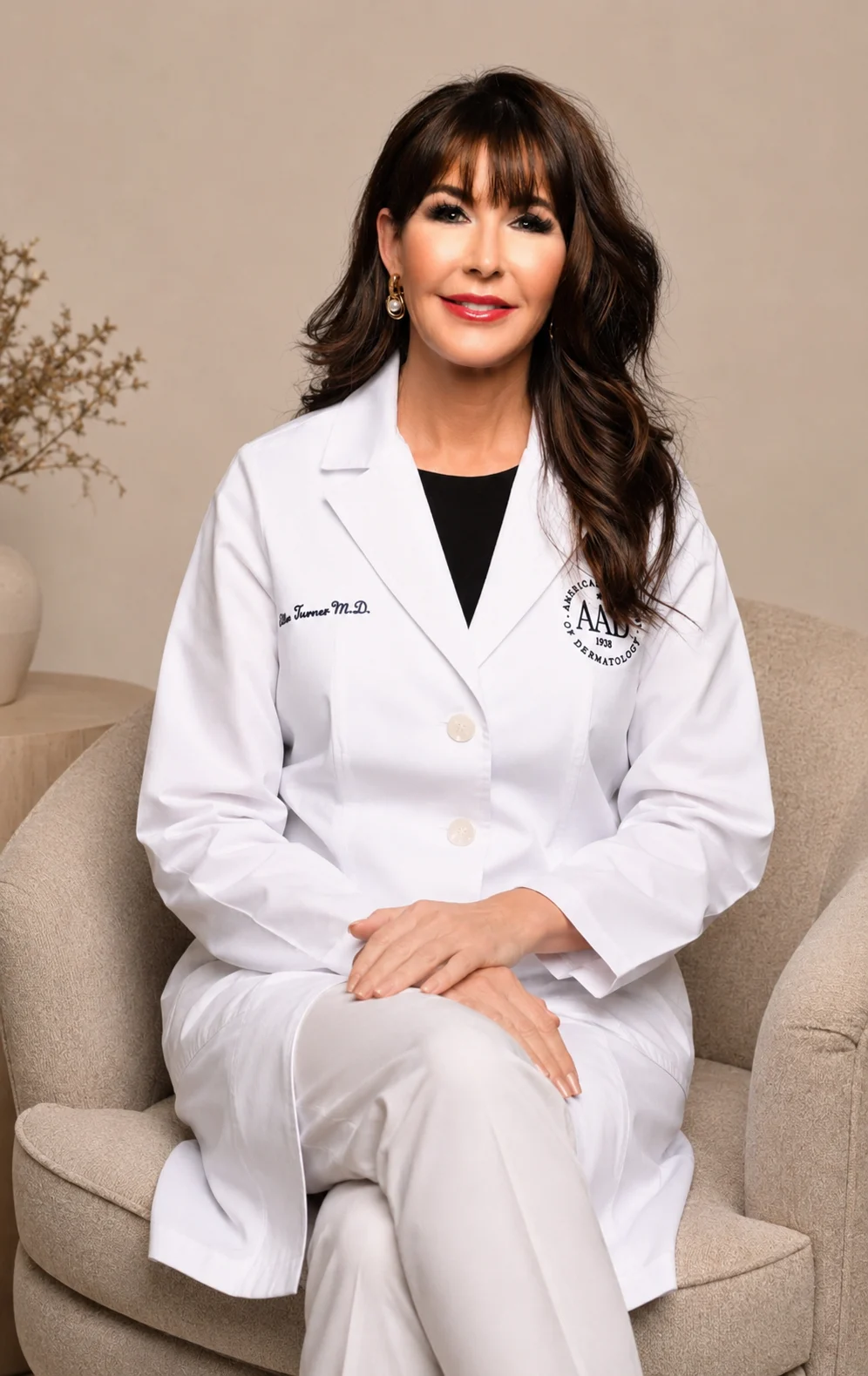
At Dr. Ellen Turner’s aesthetic training programs, the goal is to help healthcare professionals develop the knowledge, clinical reasoning, and practical skills needed to approach aesthetic medicine with confidence and professionalism.
Ready to develop your aesthetic skills? Explore Dr. Ellen Turner's training opportunities and discover how hands-on education can help take your practice to the next level.