A Weekend of Learning, Innovation, and New Possibilities in Patient Care
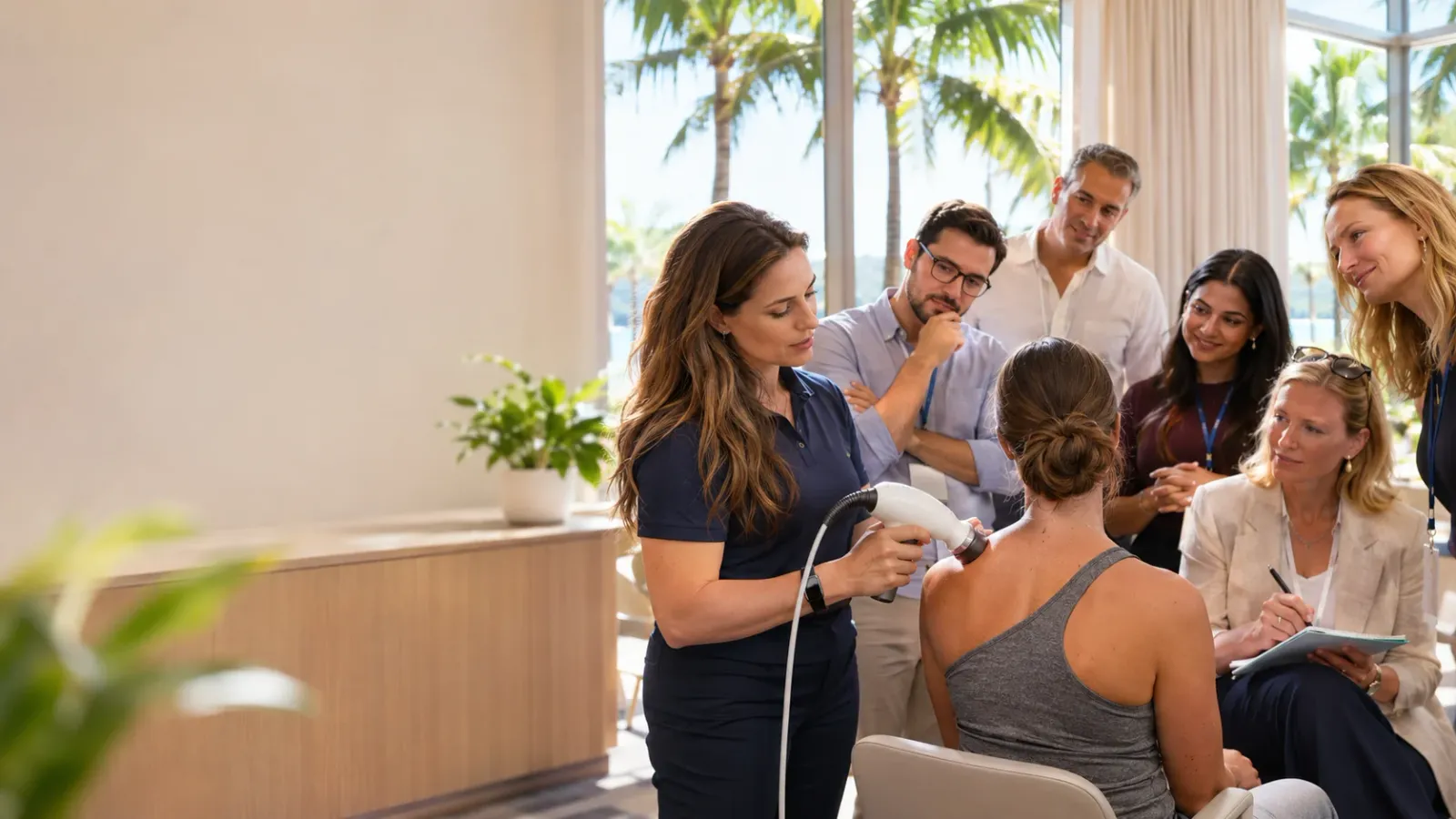
This past weekend, I had the opportunity to attend an incredible conference with StemWave in Tampa, Florida, where I spent time learning about the possibilities of shockwave technology, connecting with other healthcare professionals, and exploring innovative approaches to patient care.
One of the highlights was learning alongside Dr. Jennifer Miller, DC, a chiropractor with more than 15 years of clinical experience who serves as a StemWave clinical advisor and educator. Her knowledge, experience, and passion for helping other providers understand this technology made the experience especially valuable.
I returned from Tampa energized, inspired, and thinking about how we can continue to expand the options available to our patients.
And there is one reason this technology particularly caught my attention: There is not a day that goes by in my practice that I do not have patients talking to me about pain.
Whether it is chronic back pain, aching knees, shoulder discomfort, tight muscles, tendon issues, or the physical limitations that come with getting older, pain affects quality of life in ways that extend far beyond the physical symptoms.
It affects sleep, mobility, exercise, confidence, daily activities, and sometimes even a person's outlook on life.
As healthcare providers, we are constantly looking for ways to help our patients feel better while supporting their body's ability to heal and function.
That is what makes the conversation around shockwave therapy so interesting.
What Is Shockwave Therapy?
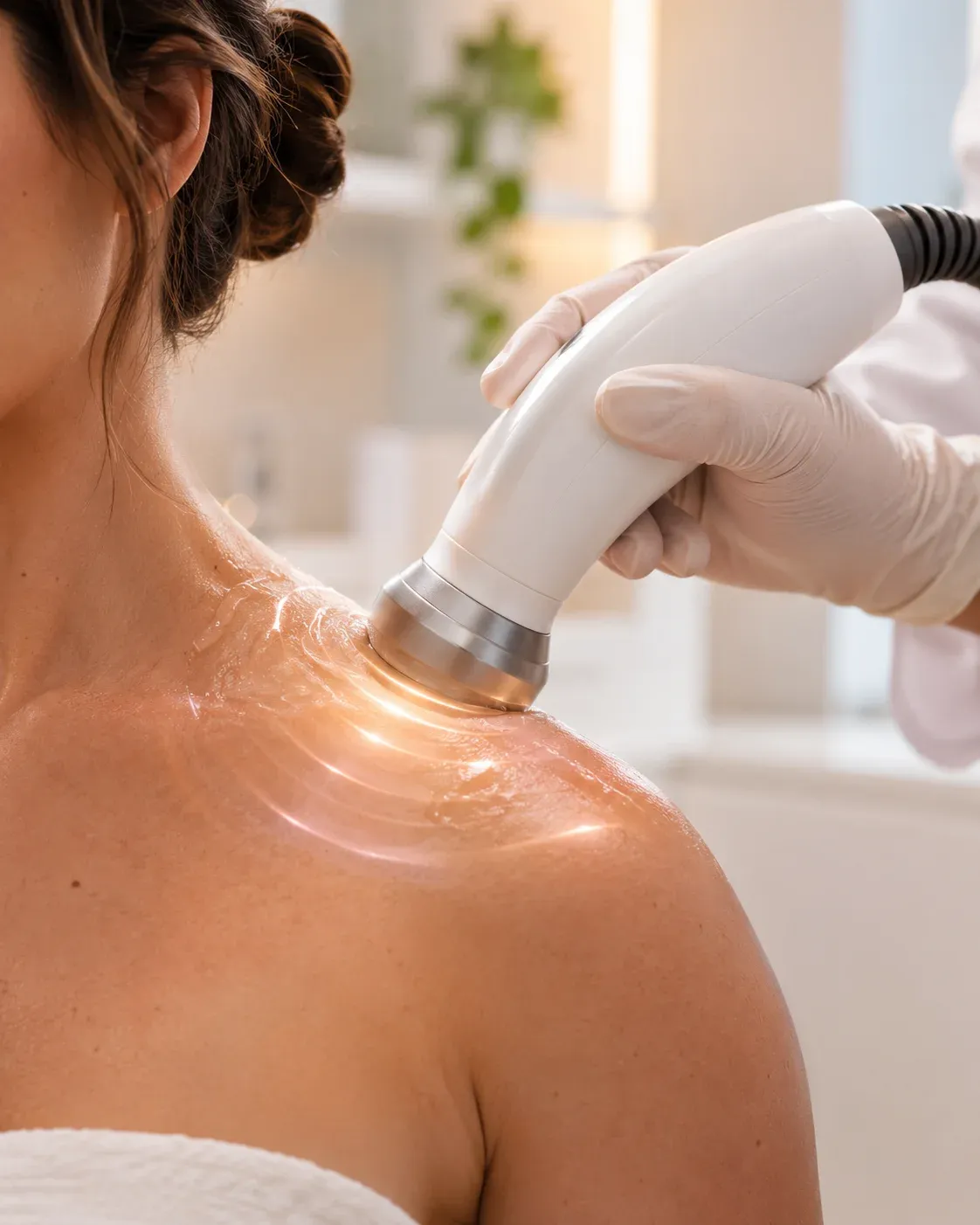
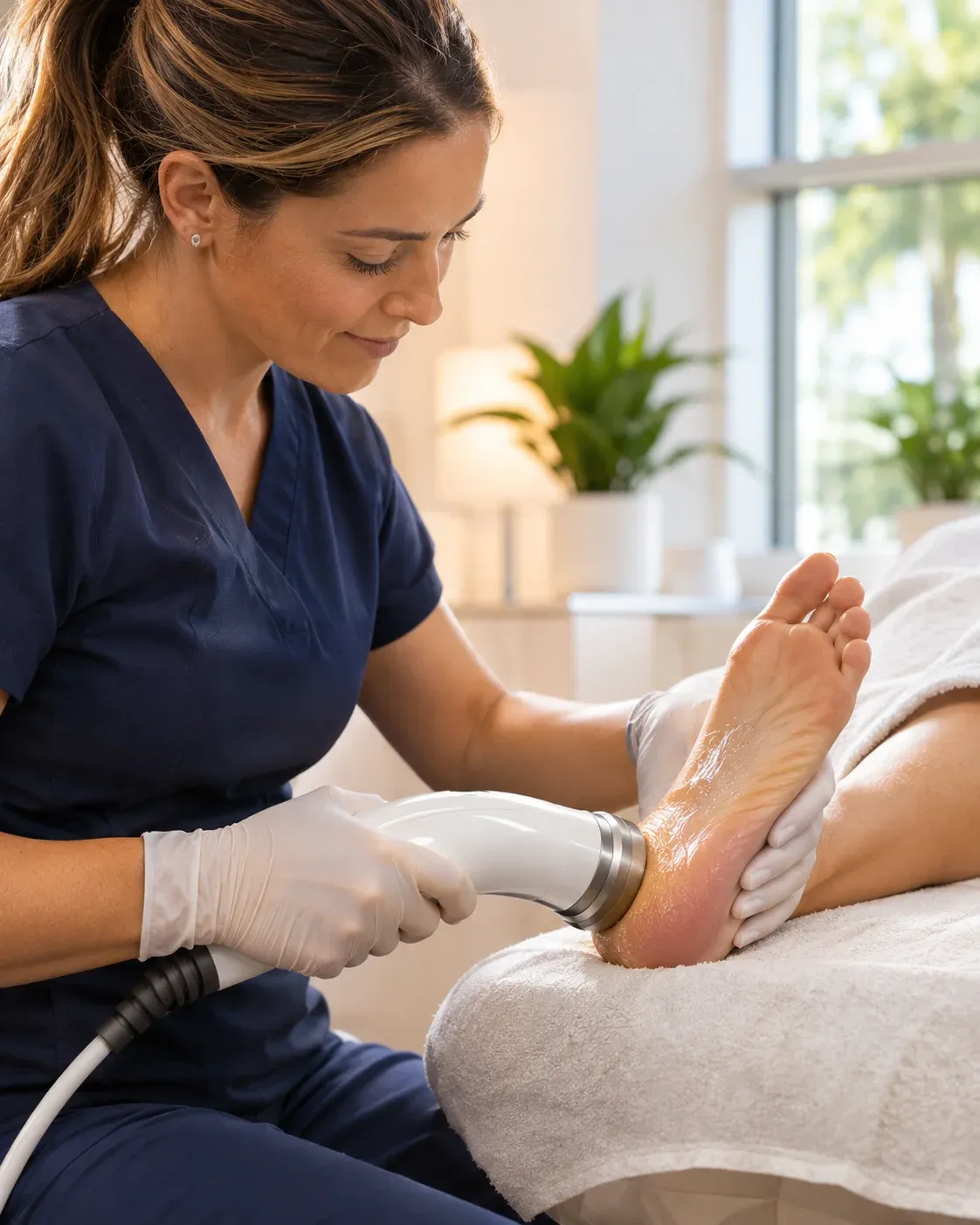
Shockwave therapy, also known as extracorporeal shockwave therapy (ESWT), uses acoustic waves delivered to targeted areas of the body to stimulate biological responses within the tissues.
Rather than relying solely on medication to manage symptoms, shockwave therapy is designed to stimulate tissue responses through mechanical energy.
Research suggests that these acoustic waves may influence several processes, including:
- Modulation of inflammatory signaling.
- Improved local circulation and blood vessel formation.
- Stimulation of cellular activity involved in tissue repair.
- Changes in pain signaling.
- Support for collagen production and tissue remodeling.
In other words, the goal is not simply to temporarily mask discomfort. It is to encourage biological processes that may support recovery and improved function.
Although the exact mechanisms are still being studied, the growing body of research surrounding shockwave therapy makes this an exciting area of noninvasive treatment.
Why This Matters for Wellness Practices
Think about how many patients walk into a medical, chiropractic, physical therapy, or wellness practice because something hurts.
Plantar fasciitis, shoulder pain, tennis elbow, Achilles tendon discomfort, knee pain, and other musculoskeletal concerns are incredibly common.
Many patients have already tried multiple approaches. Some have used anti-inflammatory medications, received injections, completed physical therapy, or simply learned to live with discomfort.
Shockwave therapy may offer another tool to consider as part of a comprehensive treatment plan.
Some of the potential applications being explored include:
- Chronic tendon conditions.
- Plantar fasciitis.
- Certain shoulder conditions.
- Muscle and soft-tissue discomfort.
- Selected joint-related conditions.
- Sports-related injuries and recovery.
What excites me is the possibility of incorporating another noninvasive modality into a treatment strategy that prioritizes patient function, mobility, and quality of life.
Of course, appropriate patient selection matters. Shockwave therapy is not a universal solution, and treatment protocols should be based on the patient's diagnosis, medical history, and individual needs.
 What About Aesthetic Practices?
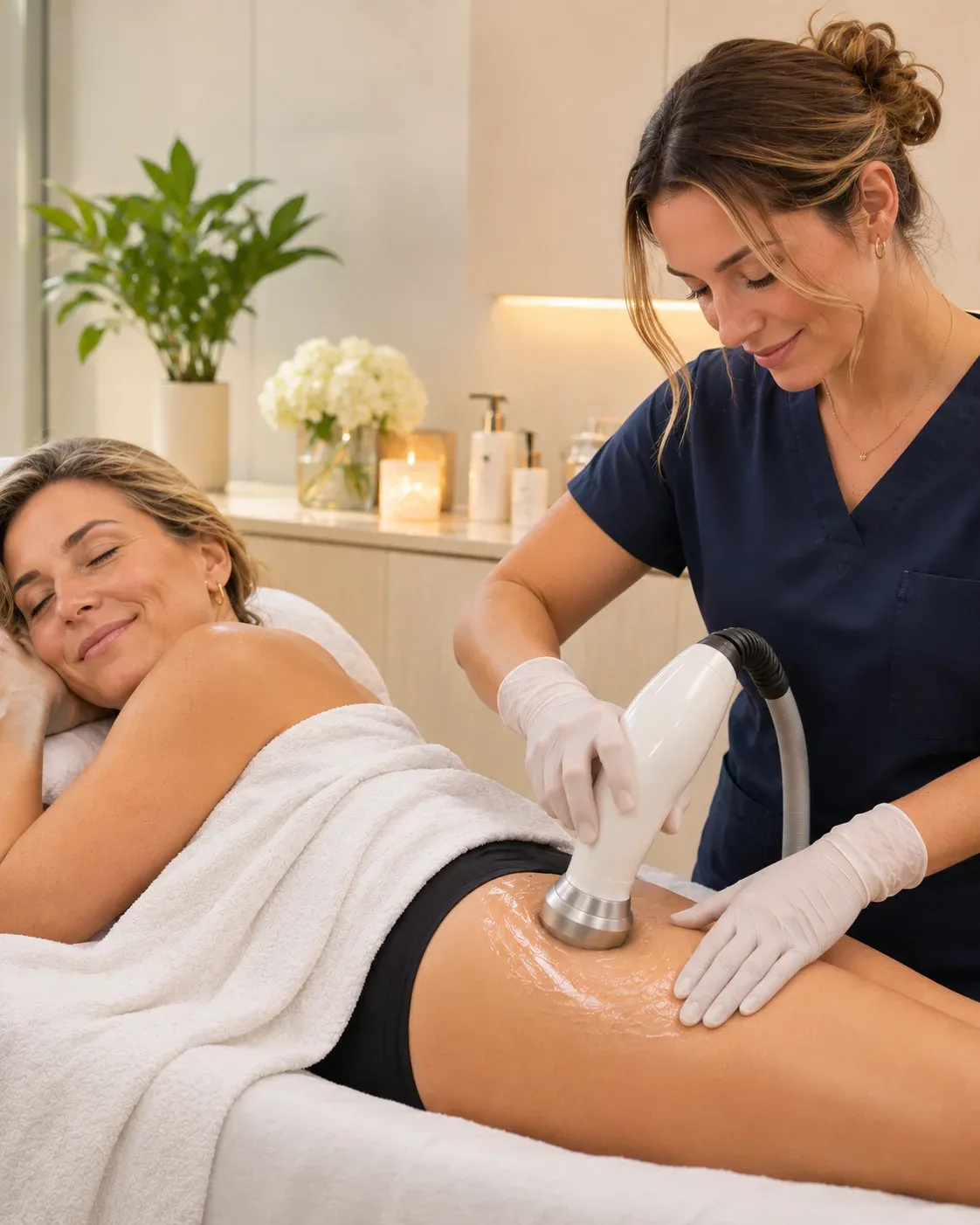
An equally interesting conversation is how acoustic wave technology may complement certain aesthetic and wellness services.
Aesthetic practices are increasingly looking beyond traditional approaches and exploring technologies that support tissue quality, circulation, and overall treatment experiences.
Depending on the device, energy delivery, and intended indication, acoustic wave technologies are being explored in areas involving:
- Local circulation and tissue response.
- Cell signaling and tissue remodeling.
- Skin and soft-tissue quality.
- The appearance of cellulite.
- Complementary body-contouring approaches.
It is important to understand that not all shockwave devices are interchangeable. A device designed for musculoskeletal treatment should not automatically be assumed to have established aesthetic indications.
The science, technology, treatment protocols, and supporting clinical evidence must be evaluated for each intended use.
For practices that combine medical, wellness, and aesthetic services, this is an area worth watching.
The Conversation That Keeps Bringing Me Back to Innovation
What I kept thinking about throughout the conference was my patients.
I see people who want to return to exercising without discomfort. I see patients who want to walk without their knees hurting, sleep through the night, or get through their workday without constantly thinking about their back.
I also see individuals who want to age well, maintain their independence, and feel confident in their bodies.
These are not unreasonable requests. They are fundamental parts of living well.
Ultimately, having access to a technology that may help modulate inflammation, influence pain pathways, stimulate circulation, and support the body's natural tissue-repair processes is exciting.
I am particularly interested in approaches that can complement existing care while giving appropriately selected patients additional options.
That does not mean every patient needs another treatment or that one device will solve every problem. It means continuing to explore the science and evaluate technologies that may meaningfully contribute to better patient care.
One of my biggest takeaways from Tampa was the importance of staying curious.
Healthcare is constantly evolving. New technologies, research, and treatment approaches are changing the way we think about supporting the body.
Attending conferences gives us the opportunity to learn directly from experienced providers, ask questions, exchange ideas, and see how emerging technologies may translate into real-world clinical practice.
My weekend with StemWave was a reminder that professional growth is not simply about learning how to use another device. It is about understanding the science, recognizing appropriate applications, and asking how we can better serve the people who trust us with their care.
I am grateful for the opportunity to learn from Dr. Jennifer Miller, DC, and the StemWave team, and I look forward to continuing to explore where this technology may fit into the future of patient-centered care.
Because at the end of the day, it always comes back to the patient.
If there is an opportunity to help someone move better, experience less discomfort, and enjoy a better quality of life, I believe it is worth continuing the conversation.
Here's to innovation, education, and never becoming complacent in how we care for others!