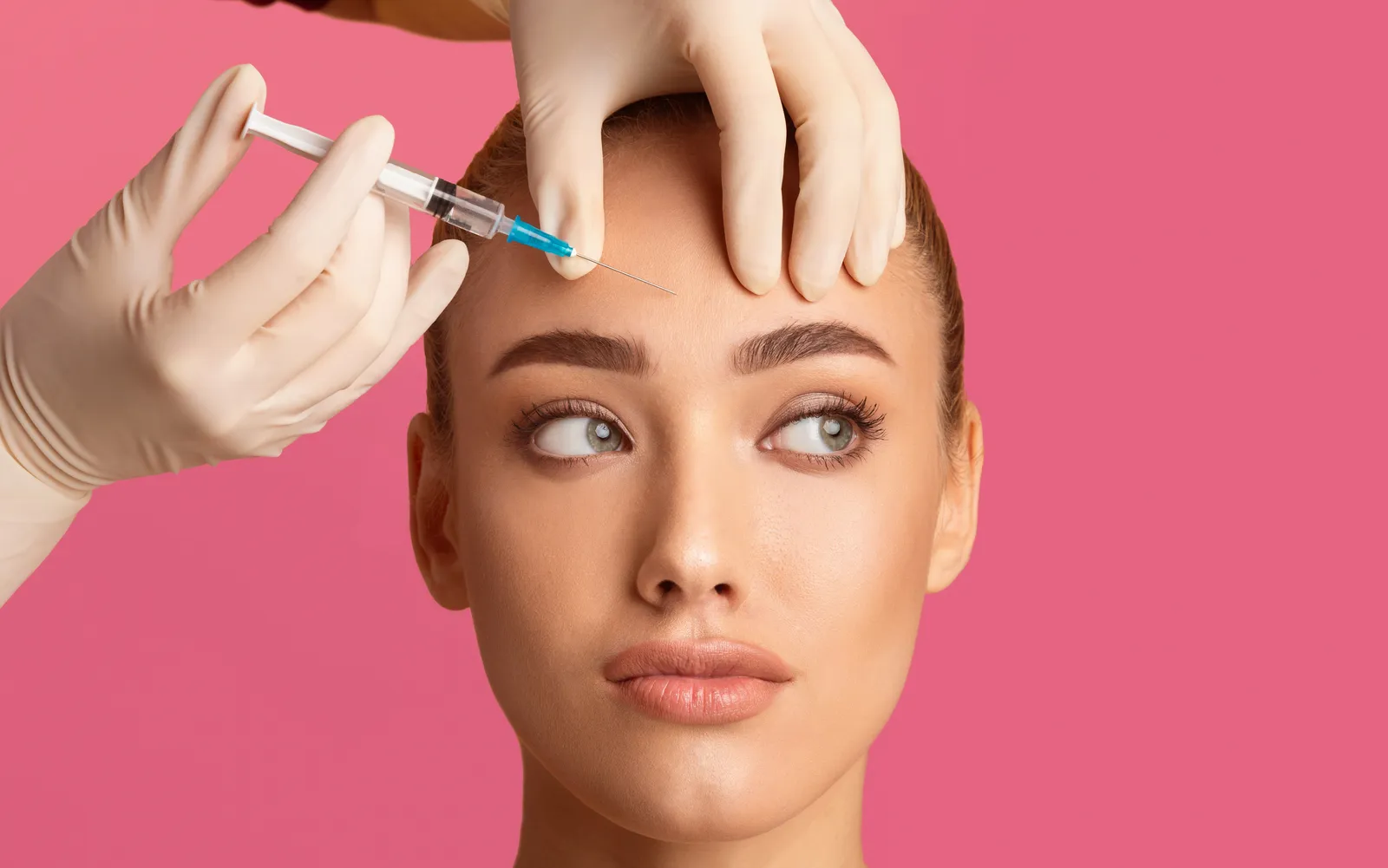


Facial asymmetry is one of the most important considerations in aesthetic medicine—and one of the easiest to underestimate. Although patients may seek injectable treatments to improve balance, soften facial irregularities, or create a more harmonious appearance, successful outcomes depend on recognizing the asymmetry that already exists before treatment and understanding how it may evolve afterward.
For aesthetic healthcare professionals, managing asymmetry is not simply about correcting one side of the face to match the other. It requires a comprehensive understanding of facial anatomy, muscle activity, soft-tissue volume, skeletal structure, and the patient's perception of their appearance.
Whether treating patients with neuromodulators, dermal fillers, or a combination of injectable modalities, a systematic approach to asymmetry can support more predictable outcomes, improve patient communication, and reduce the likelihood of dissatisfaction.
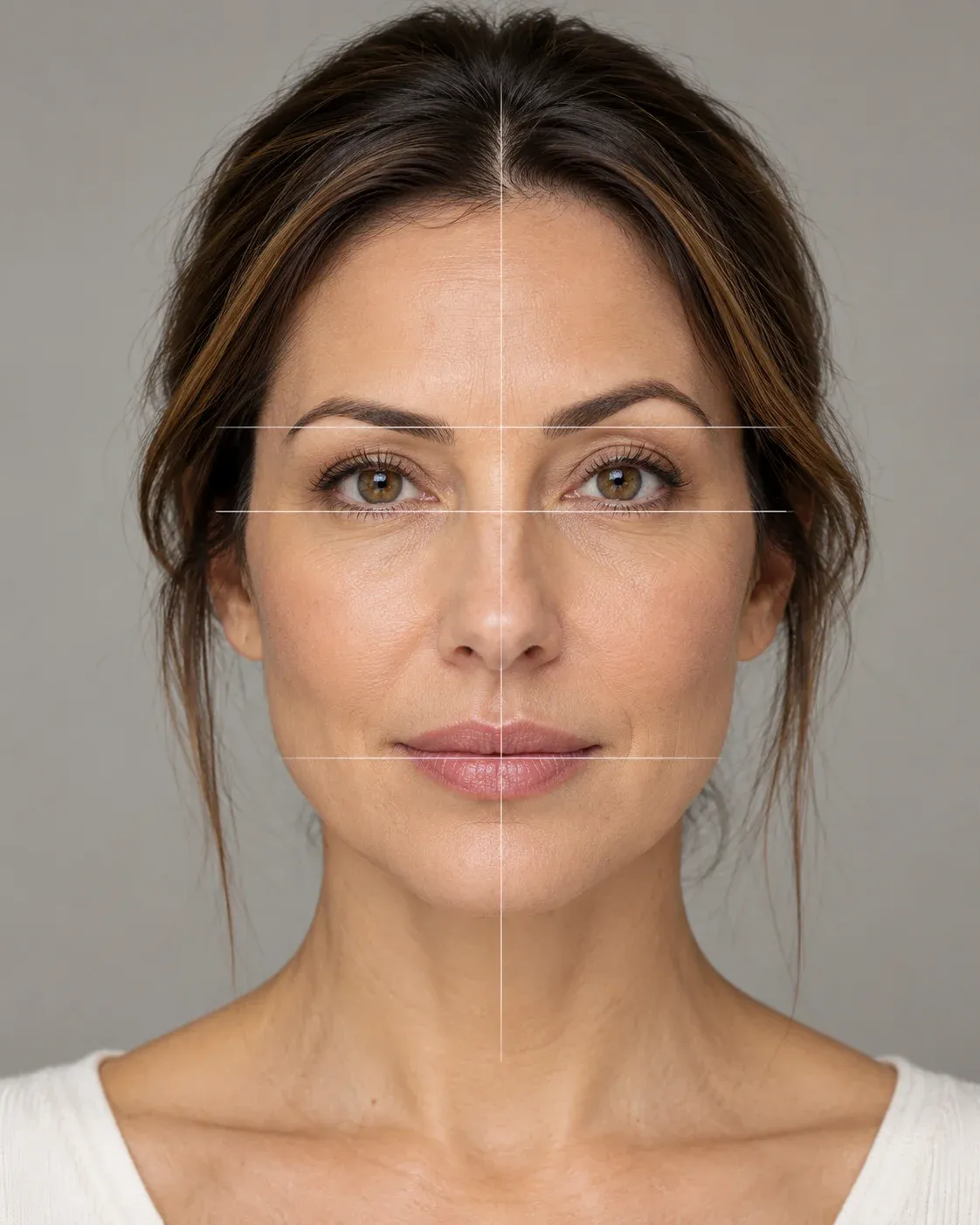
Understanding the Different Types of Facial Asymmetry
Some degree of facial asymmetry is normal. Perfect symmetry is uncommon, and subtle differences between the two sides of the face often contribute to a person's natural appearance.
Before recommending treatment, providers should identify the type, degree, and likely cause of the asymmetry. Not all asymmetries respond to injectables, and treating the visible difference without understanding its underlying cause can produce an undesirable result.
1. Structural asymmetry
Structural asymmetry originates in the underlying anatomy, including differences in skeletal development, jaw position, dental occlusion, or the proportions of the midface and lower face.
These differences may influence the position of the cheeks, chin, lips, and jawline. While carefully selected filler treatments may improve the appearance of certain contour irregularities, injectables cannot correct every underlying structural issue.
Providers should recognize when a patient's concerns may be better addressed through dental, orthodontic, surgical, or other appropriate specialist evaluation.
2. Volume-related asymmetry
Differences in fat compartments, soft-tissue thickness, and age-related volume loss can create visible discrepancies between the sides of the face.
One cheek may appear flatter, one temple may be more hollow, or one side of the lower face may have less definition. These differences can become more noticeable with aging as facial support structures and tissue distribution change.
Dermal fillers may be appropriate in selected cases when volume deficiency is the primary concern. However, the goal should be to improve overall facial balance rather than automatically adding equal amounts of product to both sides.
3. Dynamic asymmetry
Dynamic asymmetry becomes apparent during facial movement. Examples include one eyebrow rising higher than the other, uneven forehead lines, asymmetric smiling, or differences in lip movement.
Neuromodulators may help address certain muscle-driven asymmetries by selectively reducing the activity of specific muscles. However, facial movement is complex, and the effect of treatment depends on the muscles involved, their functional relationships, and the patient's baseline anatomy.
Reducing muscle activity on one side without considering the opposing muscles can sometimes create a new imbalance.
4. Skin and soft-tissue asymmetry
Skin quality, laxity, scarring, and differences in tissue support can also contribute to facial imbalance. These factors may limit the extent to which injectable treatments can improve symmetry.
A thorough assessment helps providers determine whether an injectable approach is appropriate or whether another treatment modality would better address the patient's concern.

Before Treatment: Establishing a Reliable Baseline
The foundation of asymmetry management begins before the first injection. A baseline assessment allows the provider to distinguish pre-existing characteristics from treatment-related changes and establish realistic, individualized goals.
Perform a comprehensive facial assessment
Evaluate the face at rest and during movement. Static photographs alone may not reveal the cause of an asymmetry, particularly when muscle activity is involved.
A structured assessment should include:
- Frontal view: Compare brow height, eye position, cheek projection, lip position, chin alignment, and overall facial proportions.
- Oblique and profile views: Assess projection, contour, and differences in the relationship between facial structures.
- Dynamic expressions: Observe eyebrow elevation, smiling, lip pursing, speaking, and other relevant movements.
- Skin and soft tissue: Evaluate tissue thickness, laxity, volume distribution, and existing contour irregularities.
- Relevant history: Review previous injectable treatments, complications, facial surgery, dental procedures, trauma, and changes in facial function.
Photographs should be taken with consistent lighting, positioning, camera distance, and facial expression. Standardized images can support clinical planning and provide a more reliable basis for comparison during follow-up.
Determine the cause before choosing the treatment
The most visible asymmetry is not always the primary problem. For example, an uneven smile may reflect differences in muscle recruitment, dental alignment, lip anatomy, or skeletal structure.
Similarly, an eyebrow that sits higher on one side may represent a patient's natural anatomy, compensatory muscle activity, or a response to eyelid position.
The treatment plan should be based on the underlying mechanism rather than the appearance of the asymmetry alone.
When the cause is unclear, further assessment or referral may be more appropriate than proceeding directly with an injectable treatment.
Establish realistic expectations
Patients may arrive expecting perfect symmetry, particularly when they have carefully studied photographs of their own faces. Providers should explain that natural asymmetry is common and that complete symmetry is rarely achievable or necessary.
The consultation should clarify which features can reasonably be improved, which differences are likely to remain, and what trade-offs may arise from treatment.
This conversation is particularly important when the patient's desired outcome requires substantial correction of a structural or functional difference that injectables cannot reliably address.
Document pre-existing asymmetry
Documentation should include baseline photographs, relevant examination findings, the patient's primary concerns, treatment objectives, and the rationale for the proposed approach.
When appropriate, record the patient's existing differences in muscle movement, brow position, lip dynamics, or facial volume.
This documentation is valuable not only for treatment planning but also for evaluating outcomes objectively and addressing concerns that may arise after treatment.
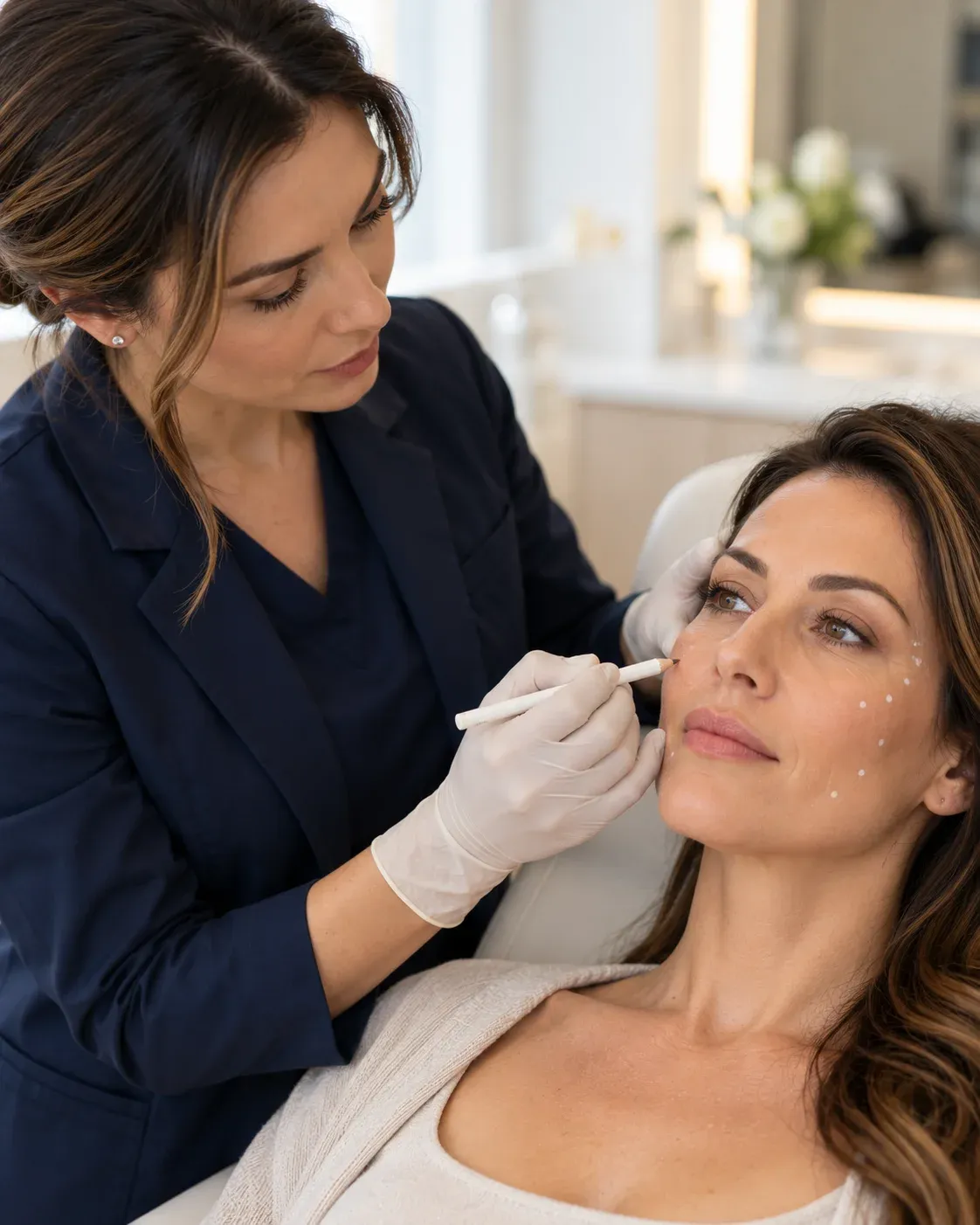
During Treatment: A Strategy for Individualized Correction
Once the underlying cause has been identified, treatment should be tailored to the patient's anatomy and goals.
Avoid the assumption that both sides require equal treatment
A common misconception is that symmetry requires the same amount of product on each side of the face. In practice, equal product distribution does not necessarily produce a balanced result.
One side may have greater volume deficiency, stronger muscle activity, or different tissue support. Treating each side identically may exaggerate rather than reduce the original asymmetry.
A more effective approach considers the desired outcome, the underlying anatomy, and the expected effect of the selected modality.
Match the treatment modality to the problem
Neuromodulators may be appropriate for selected dynamic asymmetries associated with muscle activity. Treatment planning should account for the function of the relevant muscles, the effects on neighboring muscles, and the possibility of unintended changes in expression.
Dermal fillers may be considered when differences in volume or contour contribute to the asymmetry. Product selection, placement, and volume should reflect the anatomy and risk profile of the treatment area.
Combination approaches may be appropriate when more than one factor contributes to the imbalance. When multiple modalities are planned, the sequence and timing should be individualized so that each intervention can be evaluated appropriately.
Injectable treatments should not be used to compensate indiscriminately for structural differences, and treatment decisions should remain within the provider's training, scope of practice, and applicable standards of care.
Prioritize balance over mathematical symmetry
Facial harmony is influenced by proportion, contour, movement, and the relationship between features. A small difference between the left and right sides may be less noticeable than an intervention intended to eliminate it.
Providers should aim for an outcome that respects the patient's natural anatomy and preserves facial expression rather than pursuing an artificial appearance of perfect symmetry.
After Treatment: Evaluating Asymmetry Without Overcorrecting
Post-treatment asymmetry can be challenging for both providers and patients. A difference that appears immediately after treatment may reflect temporary tissue changes, while another may indicate an evolving treatment effect or an adverse event.
The appropriate response depends on the modality used, the time elapsed since treatment, the location of the asymmetry, and the presence or absence of associated symptoms.
Understand the expected treatment timeline
Different injectable treatments have different onset and recovery profiles.
After dermal filler treatment, swelling, bruising, and localized tissue changes can temporarily affect contour. These effects may not be distributed evenly, making one side appear fuller or more irregular than the other.
After neuromodulator treatment, effects develop over several days, with the final clinical result commonly assessed around two weeks, depending on the product, treatment area, and individual response.
Providers should explain these timelines before treatment and arrange follow-up at an appropriate interval. Patients should understand that an early visual difference does not automatically indicate treatment failure.
Reassess before considering additional product
When a patient reports new asymmetry, the first step is to determine what has changed.
A structured reassessment should include:
- Comparing current findings with baseline photographs.
- Determining whether the concern is static, dynamic, or both.
- Reviewing the treatment sites, products, doses or volumes, and timing.
- Assessing swelling, bruising, tenderness, muscle function, and other relevant clinical findings.
- Determining whether the observed difference is consistent with expected recovery or requires further evaluation.
Additional injections should not be the automatic response to an uneven appearance. Treating too early may compound swelling, obscure the underlying cause, or create a second asymmetry that is more difficult to correct.
When the result is still evolving and there are no concerning symptoms, observation and planned reassessment may be appropriate.
Recognize when asymmetry may indicate a complication
Although many post-treatment differences are temporary, some symptoms require urgent evaluation.
Following dermal filler treatment, severe or increasing pain, blanching, mottled or dusky skin, coolness, or other signs of impaired circulation may indicate vascular compromise. Visual changes require emergency assessment. Providers should follow established vascular-occlusion protocols and seek appropriate emergency or specialist assistance without delay.
Following neuromodulator treatment, new or significant functional changes—including substantial eyelid drooping, swallowing difficulty, or breathing difficulty—require appropriate clinical assessment. Breathing or swallowing difficulty warrants emergency medical care.
Providers should not assume that a concerning change is simply part of the normal recovery process. Prompt recognition, appropriate escalation, and clear documentation are essential components of safe injectable practice.

Managing Patient Concerns and Expectations
A patient's perception of asymmetry may change after treatment. Greater attention to a particular feature, repeated mirror checking, or close inspection of photographs can make minor differences seem more prominent.
This does not mean that the patient's concern should be dismissed. Instead, the provider should combine objective clinical assessment with attentive, nonjudgmental communication.
Listen before recommending correction
Ask the patient what looks different, when they first noticed the change, and how it compares with their expectations. Review baseline photographs together and explain the clinical findings in clear, accessible language.
Avoid making immediate promises to correct every perceived difference. A measured explanation of what is known, what remains uncertain, and when the outcome can be evaluated more reliably can help prevent unnecessary intervention.
Distinguish a clinical finding from an aesthetic preference
A measurable asymmetry does not always require treatment. Conversely, a subtle difference may be highly meaningful to a patient.
The provider's role is to understand the patient's goals while maintaining appropriate clinical judgment. When expectations are unrealistic, concerns remain disproportionate despite repeated interventions, or the patient seeks increasingly extensive correction of minor differences, additional assessment and a cautious treatment plan may be appropriate.
In selected cases, referral for further support may be beneficial, particularly when concerns about appearance are persistent and significantly affect the patient's well-being.
A Practical Framework for Asymmetry Management
A consistent workflow can help aesthetic healthcare professionals make more thoughtful decisions before and after injectable treatment.
Step 1: Observe. Assess facial structure, volume, skin quality, and movement at baseline.
Step 2: Identify. Determine whether the asymmetry is primarily structural, volume-related, dynamic, or multifactorial.
Step 3: Document. Obtain standardized photographs, record examination findings, and establish patient-centered goals.
Step 4: Plan. Select an appropriate modality and individualized treatment strategy, recognizing the limitations and risks of injectables.
Step 5: Educate. Explain expected results, recovery timelines, potential complications, and the possibility that some asymmetry will remain.
Step 6: Reassess. Compare the outcome with baseline findings at a clinically appropriate interval.
Step 7: Respond. Observe, investigate, treat, or refer according to the clinical findings rather than automatically adding more product.
Conclusion: Better Outcomes Begin With Better Assessment
Managing facial asymmetry requires more than technical injection skill. It calls for careful observation, sound anatomical knowledge, individualized planning, and the ability to distinguish an expected treatment response from a complication.
For aesthetic healthcare professionals, the most effective approach begins before treatment: identify the source of the asymmetry, document the baseline, and establish realistic goals. After treatment, reassess methodically, respect the expected healing timeline, and avoid premature correction.
Ultimately, the objective is not to create a perfectly symmetrical face. It is to achieve a balanced, natural-looking result that respects the patient's anatomy, supports facial function, and aligns with their informed expectations.
Clinical takeaway: The best asymmetry correction is often the result of knowing what to treat, what to leave alone, and when to wait.