

Facial aging is often described in terms of wrinkles, sagging skin, and volume loss. While these are some of the most visible signs of aging, the process is much more complex than what we see on the surface.
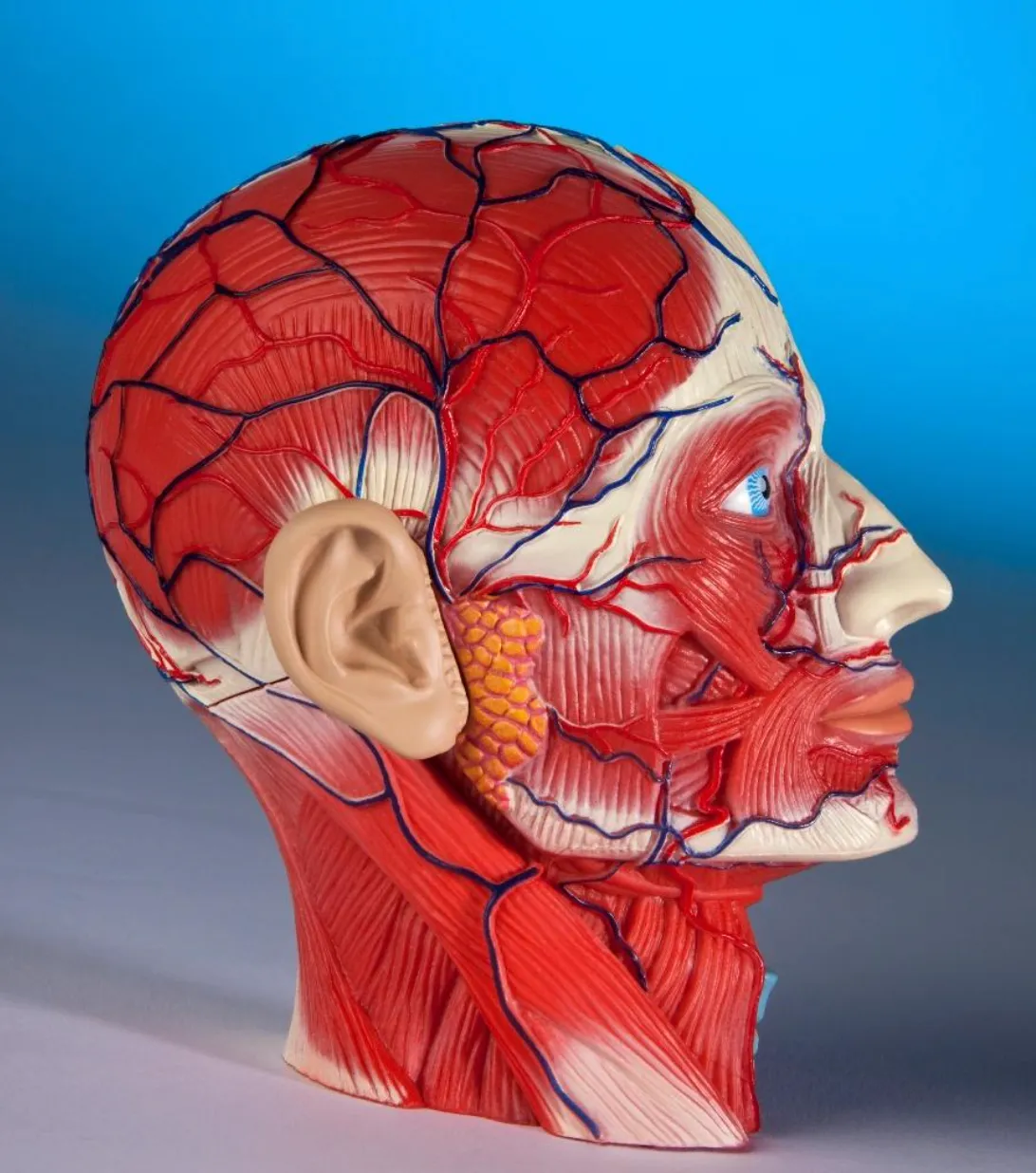
The face is composed of multiple interconnected anatomical layers, including the skin, superficial fat compartments, retaining ligaments, facial muscles, deep fat compartments, and underlying bone. Each layer undergoes distinct changes with age, contributing to the overall appearance of an aging face.
Understanding how each anatomical layer changes over time helps explain why treating wrinkles alone rarely addresses the entire aging process. It also highlights the importance of a comprehensive, individualized approach to facial rejuvenation.
Let's explore how facial aging occurs, layer by layer.

1. The Skin: Changes in Collagen, Elastin, and Hydration
The skin is the most visible layer of facial aging. Over time, intrinsic aging and environmental exposures, particularly ultraviolet radiation, contribute to changes in skin quality.
Within the dermis, collagen provides structural support, while elastin allows the skin to stretch and recoil. As we age, collagen production decreases, existing collagen fibers become disorganized, and elastin fibers become damaged.
These changes contribute to:
- Fine lines and wrinkles
- Skin laxity and crepey texture
- Thinning of the skin
- Uneven pigmentation and sun spots
- Reduced elasticity
- Increased dryness and changes in skin texture
Environmental factors such as sun exposure, smoking, pollution, and repetitive inflammation can accelerate these changes.
Rejuvenation considerations:
Treatments targeting the skin layer focus on improving skin quality, stimulating collagen production, and addressing pigmentation and texture irregularities.
Depending on the patient's skin condition and goals, options may include medical-grade skincare, retinoids, chemical peels, microneedling, laser resurfacing, and other energy-based treatments.
The goal is to improve the health and quality of the skin rather than simply conceal the signs of aging.
2. Superficial Fat: Volume Redistribution and Deflation
Facial fat is not one continuous layer. It is organized into distinct superficial and deep fat compartments that contribute to facial contour, fullness, and youthful proportions.
Superficial fat compartments lie beneath the skin and contribute to the soft contours of the cheeks, temples, and lower face.
With aging, these compartments can undergo volume loss, thinning, and changes in distribution. Some areas lose fullness, while others may develop relative prominence or heaviness.
These changes can contribute to:
- Flattening of the cheeks
- Formation of jowls
- Deepening of the nasolabial folds
- Changes in the jawline
- Loss of youthful facial contours
- Increased visibility of underlying anatomical structures
It is important to understand that facial fat does not simply disappear uniformly. Different compartments change differently, and some areas may retain or gain relative volume while others lose it.
Rejuvenation considerations:
Restoring facial balance may involve carefully selected volume-restoring treatments. Injectable fillers can replace lost volume in appropriate patients, while other treatments may address localized fullness or skin laxity.
The objective is not to make the face look fuller everywhere. It is to restore proportion, support, and natural contours while avoiding an overfilled appearance.
3. The Retaining Ligaments: Loss of Structural Support
Facial retaining ligaments are important fibrous structures that connect the superficial soft tissues to deeper tissues and the underlying skeleton.
They help maintain the position of facial tissues and contribute to the structural organization of the face.
As the face ages, changes in the surrounding fat, skin, and supporting tissues alter how these structures function and how facial tissues are positioned.
This contributes to the appearance of:
- Midface descent
- Deepening facial folds
- Jowl formation
- Changes in the jawline
- Loss of definition between facial regions
Facial aging is not simply a matter of gravity pulling everything downward. It involves changes in tissue volume, ligamentous support, tissue attachments, and the underlying skeletal framework.
Rejuvenation considerations:
Treatments that restore structural support and reposition descended tissues may be appropriate depending on the degree of aging.
Dermal fillers can sometimes provide strategic support in selected areas. Surgical procedures, including facelift techniques, may be considered when tissue descent and laxity are more significant.
Understanding ligament anatomy helps explain why indiscriminate filler placement is not a substitute for addressing structural tissue descent.
4. Deep Fat Compartments: Loss of Foundation and Facial Projection
Beneath the superficial fat are deeper fat compartments that contribute to facial projection, support, and three-dimensional structure.
These compartments are particularly important in the temples, midface, and areas surrounding the eyes.
Age-related changes in deep facial fat can lead to:
- Hollowing of the temples
- Flattening of the midface
- Reduced cheek projection
- Tear trough hollowing
- A more tired or aged appearance
Deep volume loss can also make superficial folds and shadows appear more pronounced.
For example, changes in the deep medial cheek fat compartment can contribute to reduced midface fullness and altered transitions between the lower eyelid and cheek.
Rejuvenation considerations:
Restoring deep structural volume requires an understanding of facial anatomy, vascular structures, and appropriate treatment planes.
Depending on the individual, carefully placed hyaluronic acid fillers, other biostimulatory approaches, or fat grafting may be considered.
The goal is to restore appropriate facial projection and support rather than simply fill visible lines.
5. Facial Muscles: Repetitive Movement and Dynamic Wrinkles
Facial muscles are responsible for expression, communication, and movement.
Unlike most skeletal muscles, many facial muscles attach directly to the skin or to other soft tissues. This allows them to create the expressions that make each face unique.
Over decades of repeated movement, dynamic wrinkles may become more pronounced and eventually remain visible even when the face is at rest.
Common examples include:
- Horizontal forehead lines
- Glabellar lines between the eyebrows
- Crow's feet around the eyes
- Bunny lines along the nose
- Chin dimpling
- Downturned mouth corners
Muscle activity is only one component of wrinkle formation. Changes in collagen, elastin, skin thickness, and underlying volume also contribute to the development of permanent lines.
Rejuvenation considerations:
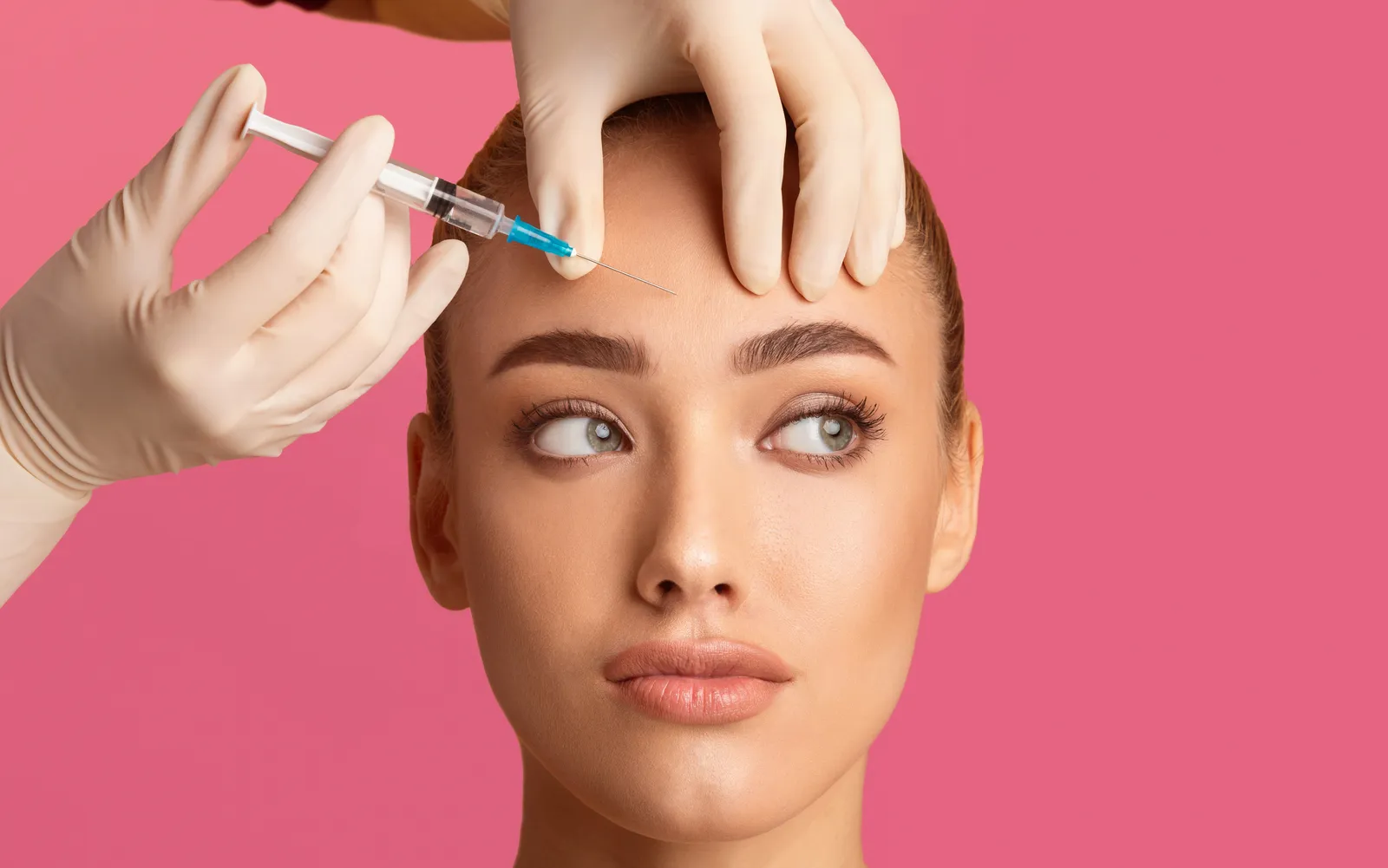
Neuromodulators, such as Botox, Dysport, and other FDA-approved botulinum toxin products, can temporarily reduce targeted muscle activity.
When appropriately selected and administered, these treatments soften expression-related wrinkles while preserving natural facial movement.
The objective is to maintain facial expression while reducing excessive muscle activity that contributes to unwanted lines.

6. The Facial Skeleton: Changes in Bone Structure
One of the most overlooked aspects of facial aging is the underlying facial skeleton.
Bone is a living tissue that continually remodels throughout life. With age, changes in bone volume and contour occur in several areas of the face.
These changes can affect the structural foundation supporting the overlying soft tissues.
Common areas affected include:
- The eye sockets, which may enlarge and change shape
- The maxilla, contributing to changes in midface support
- The mandible, influencing lower-face contour and jawline definition
- The chin, affecting lower-face projection
- The pyriform aperture, influencing support around the nose and upper lip
As the underlying skeletal framework changes, the soft tissues above it may lose some of their original support and projection.
This contributes to changes in facial proportions, hollowing, and the appearance of sagging.
Rejuvenation considerations:
Treatment planning must account for the underlying skeletal structure rather than focusing exclusively on the skin and superficial tissues.
In selected patients, strategic volume restoration may improve facial proportions. However, fillers cannot recreate the original skeletal framework, and excessive volume replacement can create an unnatural appearance.
For more advanced changes, surgical approaches may provide more appropriate correction.
Why Treating Only One Layer Often Falls Short
One of the most important concepts in facial rejuvenation is that facial aging occurs simultaneously across multiple anatomical layers.
For example, a patient concerned about deep nasolabial folds may have several contributing factors:
- Reduced collagen and skin elasticity
- Changes in superficial cheek fat
- Loss of deep midface volume
- Changes in ligamentous support
- Alterations in the underlying maxillary structure
Simply injecting filler directly into the nasolabial folds may soften the visible crease, but it does not necessarily address the underlying causes.
Similarly, treating skin laxity with a resurfacing treatment will not restore lost deep facial volume or correct significant tissue descent.
This is why a comprehensive assessment is so important.
A Layered Approach to Facial Rejuvenation
A thoughtful facial rejuvenation plan considers the patient's anatomy, degree of aging, skin quality, facial proportions, and individual goals.
Depending on the findings, treatment may involve several complementary approaches:
| Anatomical layer | Primary aging changes | Potential treatment approaches |
|---|---|---|
| Skin | Wrinkles, pigmentation, collagen loss | Skincare, retinoids, peels, lasers |
| Superficial fat | Volume changes and contour changes | Selected fillers, fat reduction or repositioning |
| Retaining ligaments | Changes in tissue support and position | Structural restoration, surgical lifting |
| Deep fat | Hollowing and loss of projection | Strategic fillers, fat grafting |
| Muscles | Dynamic wrinkles and excessive contraction | Neuromodulators |
| Bone | Skeletal remodeling and loss of projection | Selected structural or surgical approaches |
Not every patient needs treatment at every layer. In fact, the most successful treatment plans are often conservative and prioritize the changes that matter most.
The goal is to restore balance, not to change the patient's identity or create a completely different face.

The Importance of Individualized Facial Assessment
No two faces age in exactly the same way.
Genetics, facial anatomy, sun exposure, lifestyle, weight fluctuations, hormonal changes, and previous aesthetic treatments all influence the aging process.
Some patients primarily experience changes in skin quality, while others develop significant volume loss, tissue descent, or skeletal changes.
A thorough facial assessment considers the entire face from multiple perspectives, including:
- Skin quality and elasticity
- Facial volume and contour
- Midface support
- Jawline definition
- Facial symmetry
- Muscle movement
- Underlying skeletal proportions
Understanding these factors allows treatment recommendations to be based on anatomy rather than simply treating individual wrinkles or following aesthetic trends.
Final Thoughts: Treat the Face as a Whole
Facial aging is a complex, three-dimensional process involving every anatomical layer, from the skin to the underlying bone.
The most natural-looking rejuvenation results come from understanding how these layers interact and selecting treatments that address the actual causes of visible aging.
Rather than focusing on one wrinkle, one fold, or one area of volume loss, a comprehensive approach considers the face as an interconnected structure.
At DrEllenTurner.com, our philosophy of facial rejuvenation centers on understanding anatomy, preserving natural facial characteristics, and developing individualized treatment strategies that help patients look refreshed, balanced, and naturally youthful.
The goal is not to look like someone else. It is to look like the best version of yourself.