

By Dr. Ellen Turner
Search for "aesthetic injector salary" online and you'll find articles claiming injectors make anywhere from $50,000 to more than $300,000 per year.
The problem?
Almost none of those articles explain where those numbers come from.
Many rely on self-reported salaries, anonymous surveys, or job postings. While those sources can be interesting, they don't provide a reliable picture of what licensed medical professionals actually earn across the United States.
This guide takes a different approach.
Instead of repeating internet estimates, we're using the U.S. Bureau of Labor Statistics (BLS) Occupational Employment and Wage Statistics (OEWS) the federal government's largest wage database—to establish evidence-based salary benchmarks for the licenses that actually perform cosmetic injections.
First, an Important Truth: "Aesthetic Injector" Isn't a Federal Job Title
One reason salary estimates vary so dramatically is that aesthetic injector is a specialty—not a licensed occupation.
The Bureau of Labor Statistics does not classify "aesthetic injector" as its own profession.
Instead, cosmetic injectors typically practice under one of several healthcare licenses:
- Registered Nurse (RN)
- Nurse Practitioner (NP)
- Physician Assistant (PA)
- Physician (MD or DO)
Each of these professions has its own salary data, education requirements, and employment trends.
That's why asking, "What does an aesthetic injector make?" is similar to asking, "What does a cardiology provider make?" The answer depends on the underlying professional license.
The Best Baseline Salary Data Comes From the Federal Government

The BLS collects wage information from hundreds of thousands of employers nationwide through the Occupational Employment and Wage Statistics program.
For 2025 wages (released in 2026), the national average annual wages are approximately:
| License | National Mean Annual Wage |
|---|---|
| Registered Nurse | $101,420 |
| Nurse Practitioner | $137,300 |
| Physician Assistant | $141,280 |
These numbers represent all employment settings, including hospitals, outpatient clinics, physician offices, and specialty practices—not aesthetics alone.
Why Cosmetic Injectors Often Earn More Than These Numbers

This is where many online articles miss the mark.
Federal wage statistics measure base compensation.
Most successful aesthetic injectors earn income from additional sources, including:
- Production bonuses
- Injectable commissions
- Retail skincare commissions
- Monthly performance incentives
- Profit sharing
- Practice ownership
- Training and consulting
- Membership or subscription programs
These revenue streams can significantly increase total compensation, but they are not captured in federal wage data.
As a result, the BLS figures should be viewed as a baseline, not a ceiling.
State Matters More Than Most People Realize
One of the biggest findings in the federal data is just how much salaries vary by geography.
For example, the average Registered Nurse salary ranges from approximately $77,000 in some lower-paying states to more than $150,000 in California.
That difference alone exceeds $70,000 per year—and that's before factoring in commissions or cosmetic procedure revenue.
The same geographic variation exists for Nurse Practitioners and Physician Assistants.
If you're planning an aesthetics career, your state may influence your earning potential just as much as your years of experience.
Why High Salaries Don't Always Mean Higher Take-Home Income
It's tempting to focus only on the highest-paying states.

However, compensation should always be considered alongside:
- Cost of living
- State income taxes
- Housing costs
- Practice competition
- Patient demographics
- Local demand for elective cosmetic procedures
An injector earning $140,000 in one market may have greater purchasing power than someone earning $180,000 in another.
That's why evaluating salary without context can be misleading.
What Actually Determines an Injector's Income?
Based on industry trends, compensation usually depends on several factors.
1. Professional License
An experienced RN injector may earn more than a new NP.
Your license creates opportunities—but experience and patient demand often determine income.
2. Experience
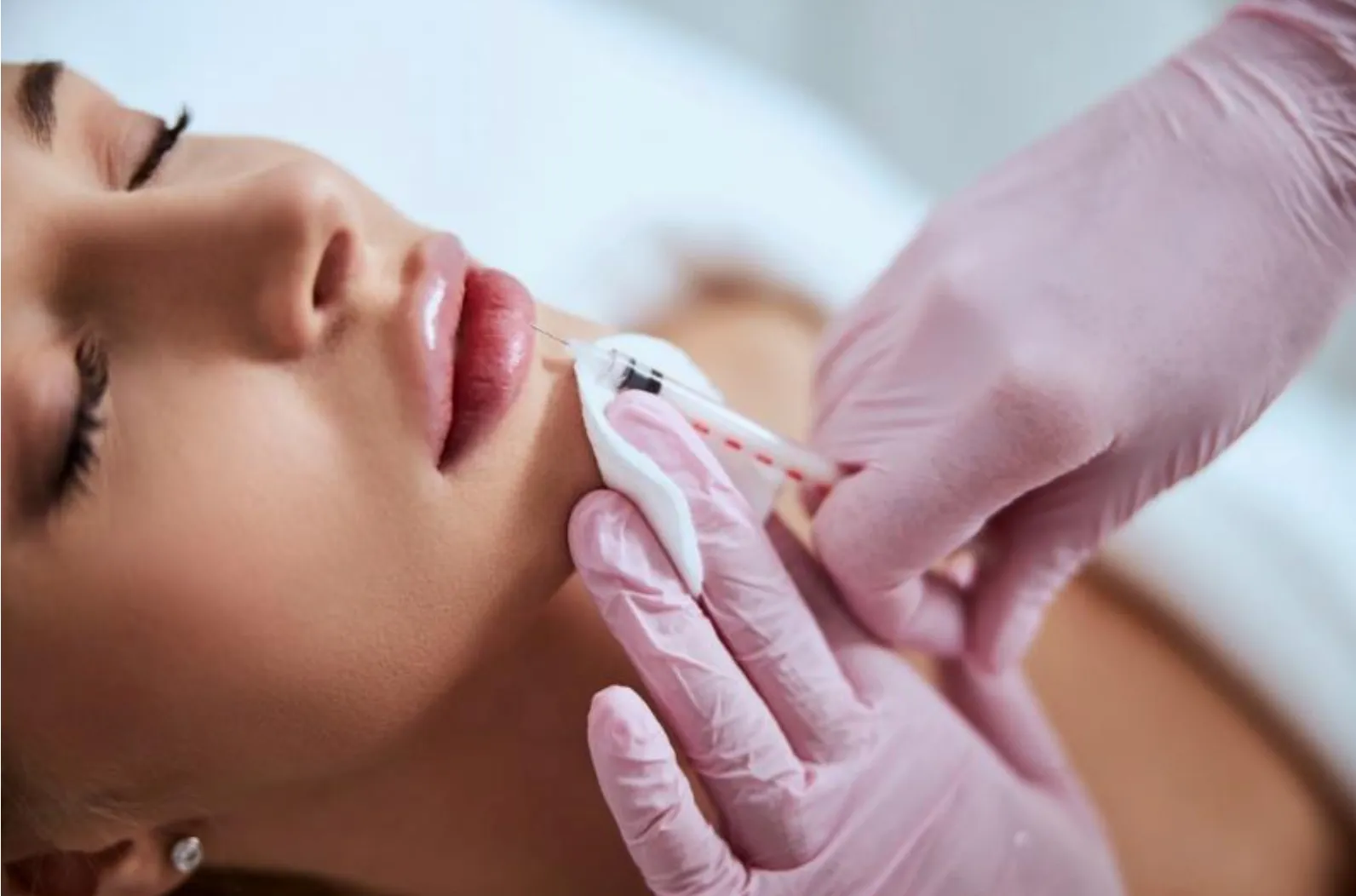
Most injectors become significantly more productive after developing:
- advanced injection techniques
- consultation skills
- facial assessment
- complication management
- patient retention
3. Practice Model
Compensation differs dramatically among:
- Medical spas
- Dermatology practices
- Plastic surgery offices
- Concierge aesthetics
- Independent practices
Each model uses different compensation structures.
4. Production-Based Pay
Many practices combine:
- hourly wage or salary
- commissions
- bonuses
- revenue sharing
Top-producing injectors frequently generate compensation that exceeds traditional healthcare salary models.
5. Business Ownership
Owners assume more financial risk, but they also participate in the profitability of the practice rather than earning only employee wages.
For many experienced injectors, ownership becomes the largest driver of long-term income.
Why Online Salary Estimates Vary So Much
If you've researched injector salaries before, you've probably noticed wildly different numbers.
That's because websites often combine:
- job advertisements
- anonymous submissions
- recruiter estimates
- employer surveys
- proprietary algorithms
These methods are not necessarily wrong—but they measure different things.
Federal wage data remains the most consistent national benchmark because it is collected using standardized employer reporting methods.
The Bottom Line
There is no single "aesthetic injector salary."
There are Registered Nurses, Nurse Practitioners, Physician Assistants, and Physicians who specialize in aesthetic medicine.
Federal data provides the best foundation for understanding compensation because it reflects verified employer wage reporting rather than internet anecdotes.
At the same time, aesthetics is one of the few areas of healthcare where compensation often extends well beyond base salary through production incentives, patient retention, and business ownership.
If you're considering a career in cosmetic injectables, use federal wage data as your starting point—but recognize that your long-term earning potential will depend on your clinical skills, patient experience, business model, and ability to build trust with the people you serve.
References
-
U.S. Bureau of Labor Statistics. Occupational Employment and Wages (May 2025).
-
U.S. Bureau of Labor Statistics. Occupational Outlook Handbook