

Opening a medspa can be an exciting opportunity for nurses, nurse practitioners, physicians, and other healthcare professionals who want to build something of their own. But becoming a successful medspa owner requires more than being excellent at patient care.
You are no longer just the person providing the treatment. You are also the leader, business owner, educator, hiring manager, financial decision-maker, and the person responsible for creating a culture of safety and excellence. I’ve seen talented healthcare professionals struggle with the business side of their medspa—not because they lack clinical knowledge, but because they weren’t prepared for everything that comes with ownership.
Here are 10 of the most common mistakes new medspa owners make—and what you can do instead.
1. Thinking Clinical Expertise Is Enough
Being an excellent injector, aesthetic provider, or clinician is an important foundation. But clinical expertise alone doesn’t teach you how to run a successful business.
Medspa ownership requires an entirely different set of skills: budgeting, marketing, hiring, leadership, inventory management, patient retention, operations, and financial planning.
The lesson: Don’t stop learning when you become clinically competent. Develop your business and leadership skills alongside your clinical skills.
2. Starting Without a Clear Business Plan
One of the biggest mistakes I see is jumping into a lease, purchasing equipment, and ordering products before developing a clear business strategy.
Before opening your doors, you should have a good understanding of:
- Who your ideal patient is
- What services you will offer
- What makes your practice different
- How much it will cost to operate
- How you will price your services
- How you will attract and retain patients
- What your revenue goals are
- What your growth strategy looks like

A beautiful office does not automatically create a profitable business.
The lesson: Build the business model before you build the space.
3. Buying Too Much Equipment Too Soon
New owners can easily get caught up in the excitement of new technology.
Lasers, energy-based devices, treatment platforms, and other equipment can represent significant investments. The question shouldn’t simply be, “Is this a great device?”
Instead, ask:
“Does this device make sense for my patients, my business model, and my financial goals?”
Consider utilization, training requirements, maintenance, consumables, reimbursement or cash-pay pricing, and realistic patient demand before making a major purchase.
The lesson: Buy based on your business strategy—not excitement or pressure from a sales representative.
4. Underestimating the Importance of Patient Experience
A patient may initially come to you because of your clinical reputation, but their decision to return often involves the entire experience.
Think about every touchpoint:
Before the appointment → Check-in → Consultation → Treatment → Checkout → Follow-up
Is communication consistent? Are expectations clear? Does the patient feel welcomed? Is follow-up handled professionally?
Small details can make a significant difference.
The lesson: Don’t just create great treatments. Create a great patient journey.
5. Trying to Do Everything Yourself
In the beginning, wearing many hats may feel necessary. But there is a difference between being hands-on and becoming the bottleneck for your entire business.
If every decision has to go through you, growth becomes difficult.
Learn to delegate appropriately. Create systems. Establish clear responsibilities. Train your team and give them the tools to succeed.
And remember: delegation is not the same as giving up control. Good delegation means creating accountability while allowing capable people to do their jobs.
The lesson: Your goal should be to build a business that can function well—not one that depends on you for every decision.
6. Hiring for Skills Instead of Culture
A person can be clinically talented and still be the wrong fit for your practice.
When hiring, look beyond technical ability. Consider communication, professionalism, reliability, teamwork, willingness to learn, and alignment with your practice values.
Ask yourself:
“Would I want this person taking care of someone I love?”
Your team becomes part of your brand. Patients notice how your employees communicate, collaborate, and treat one another.
The lesson: Hire people who can strengthen both your clinical standards and your culture.
7. Failing to Create Standardized Clinical Processes
As an owner, you want your patients to receive consistent, high-quality care regardless of which qualified provider they see.
That requires systems.
Develop clear processes for appropriate areas such as patient intake, consultations, informed consent, treatment documentation, photography, follow-up, emergency response, product handling, and other applicable clinical workflows.
Your protocols should reflect applicable laws, regulations, professional standards, manufacturer guidance, and the scope of practice for your team.
The lesson: Don’t rely on memory and informal training. Build systems that support safe, consistent care.
8. Focusing on Revenue Instead of Profitability
A busy schedule can create the impression that your business is thriving.
But revenue isn’t the same thing as profit.
You need to understand your numbers.
Know your:
- Fixed expenses
- Variable costs
- Product costs
- Payroll
- Equipment expenses
- Marketing expenses
- Cost per treatment
- Average patient spend
- Patient retention
- Profit margins
A service can be popular and still have poor profitability.
The lesson: Don’t just ask, “How much are we selling?” Ask, “How much are we actually keeping?”
9. Chasing Every New Trend
The aesthetics industry moves quickly. There is always a new treatment, product, device, technique, or social-media trend promising to be the next big thing.
Successful owners learn to distinguish between innovation and distraction.
Before adding something new, consider:

- Is there legitimate evidence supporting it?
- Is it appropriate for my patient population?
- Does my team have appropriate training?
- Does it fit our clinical philosophy?
- What are the risks?
- What will it cost?
- Can we deliver it consistently and responsibly?
Not every trend belongs in your practice.
The lesson: Build your reputation around excellent care—not around being first to try everything new.
10. Forgetting to Work On the Business

This may be the biggest mistake of all.
When you’re busy seeing patients, answering questions, managing staff, ordering supplies, and putting out fires, it can feel impossible to step away.
But if you never make time to work on the business, you’ll spend all your time working in the business.
Schedule regular time to review your numbers, evaluate your team, improve processes, plan marketing, identify opportunities, and think strategically about the future.
Your role changes as your business grows.
The goal isn’t simply to become busier.
The goal is to build something sustainable.
What Successful Medspa Owners Do Differently
Successful medspa owners don’t necessarily know everything when they begin.
- They ask questions.
- They seek mentorship.
- They invest in education.
- They create systems.
- They learn from mistakes.
And most importantly, they understand that clinical excellence and business excellence have to work together.
Your patients deserve excellent care. Your team deserves strong leadership. And your business deserves a thoughtful strategy.
You don’t have to figure everything out alone.
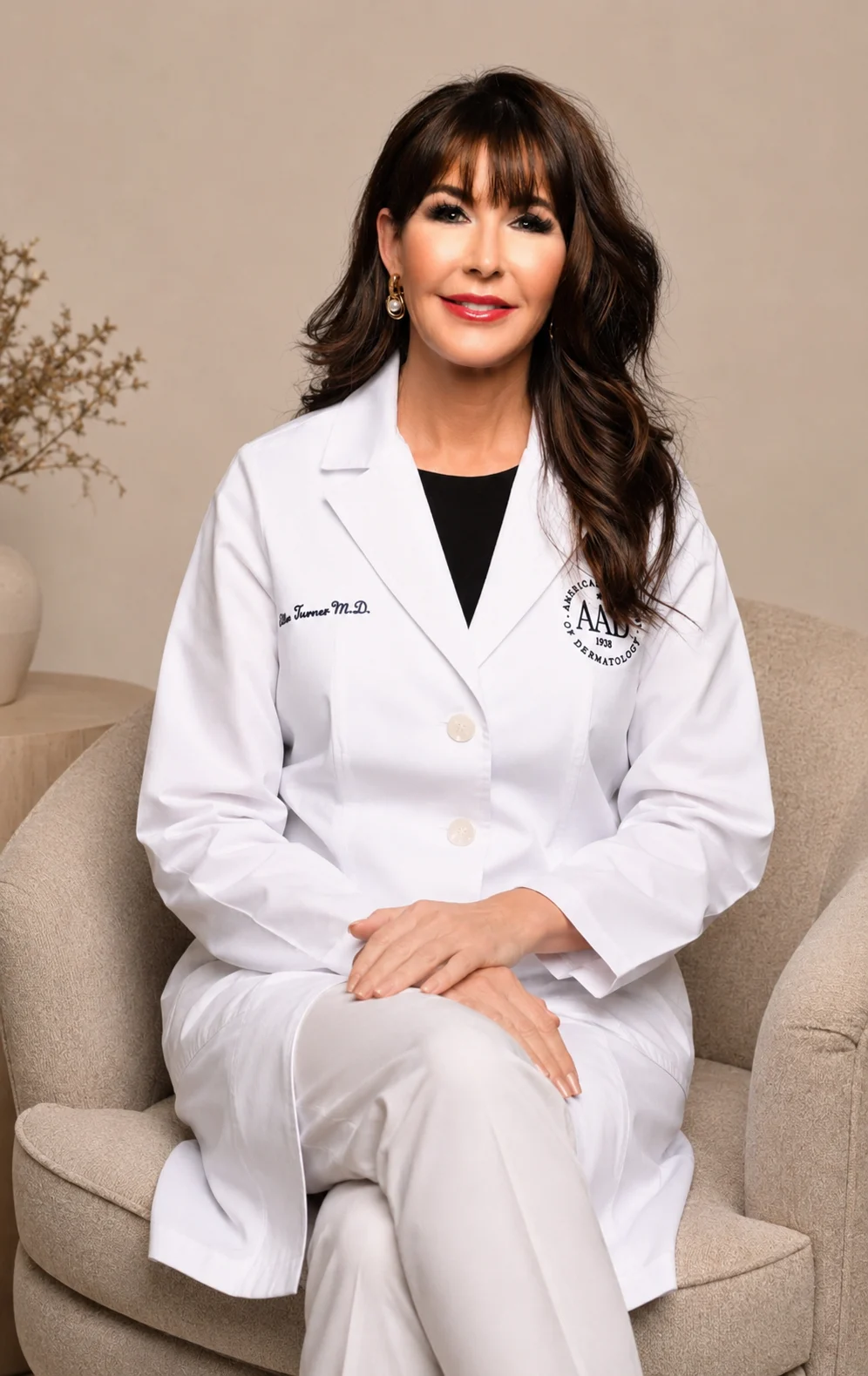
A Final Thought From Dr. Turner
If you’re thinking about opening a medspa—or you’ve already opened one and feel overwhelmed by everything that comes with ownership—know that you’re not alone.
Being a great healthcare professional and becoming a great business owner are two different skill sets. Both can be learned.
My goal in creating DrEllenTurner.com is to help nurses and healthcare professionals develop the clinical skills, business knowledge, and leadership confidence they need to build practices they can be proud of. Click here to learn more.
Learn the skills. Build the systems. Lead with purpose. And never stop learning.
Warmly,
Dr. Ellen Turner